Community
The American Cancer Society Funds Nobel Winners. It Also Drives People to Chemo.
Behind the research grants sits a network of 1.3 million volunteers doing plainer work — driving patients to treatment, keeping 31 free lodges running.
By The Pennygood team · Aug 2026 · 5 min read
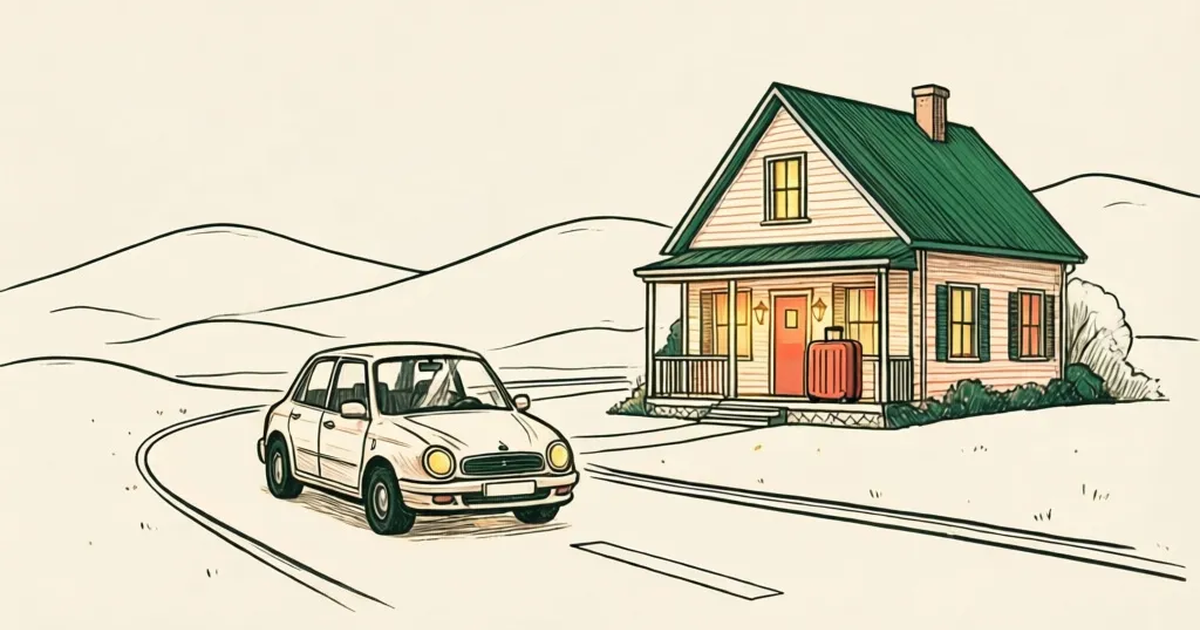
Fifty-three researchers funded by the American Cancer Society have gone on to win a Nobel Prize. The organization has put more than $5 billion into cancer research since 1946 and is the largest non-government, non-profit funder of that research in the country. None of it helps much if you can't get to the clinic on Tuesday morning, or can't afford a hotel near the hospital for the eight weeks your treatment runs.
It started because nobody would say the word
Ten physicians and five laypeople met in New York City on May 22, 1913 and formed the American Society for the Control of Cancer. The problem they had gathered to fix was silence: at the time a diagnosis was widely treated as a death sentence, doctors sometimes did not tell patients what they had, and patients often told no one at all. So the first campaigns were not medical. They wrote for magazines and professional journals, published a monthly bulletin called Campaign Notes, and recruited doctors around the country to talk about the disease in public.
Volunteers carried it from there. The Women's Field Army, launched in 1936, was a volunteer force that widened public participation and fundraising enormously. The group was reorganized as the American Cancer Society in 1945, and in 1946, with the philanthropist Mary Lasker's help, it raised over $4 million and started the research program that still defines its public reputation. The volunteer half never went away: the Society today counts roughly 1.3 million of them.
What Margot Freudenberg brought home from New Zealand
Travelling through Australia and New Zealand with President Eisenhower's People to People Ambassador Program, Margot Freudenberg — a leader in Charleston's medical and business circles, and a Society volunteer — saw a house set up to lodge patients near their treatment. Cancer had touched her own family. She came back determined to build one, and in 1970 the first Hope Lodge opened in Charleston, South Carolina. The Society describes her as its longest-serving volunteer, still involved in the program at 105.
There are now 31 Hope Lodge communities across the United States and Puerto Rico, with about 1,100 private guest rooms, and a stay costs nothing. Roughly six million nights of free lodging have been provided since that first house opened. In August 2026 the Society put the current scale at more than 36,000 patients and caregivers a year and over $85 million saved in lodging costs. Why that matters: treatment commonly runs six to eight weeks, the Society estimates the lodging bill alone can reach $17,000, and a hotel room in a city like Chicago now averages around $320 a night.
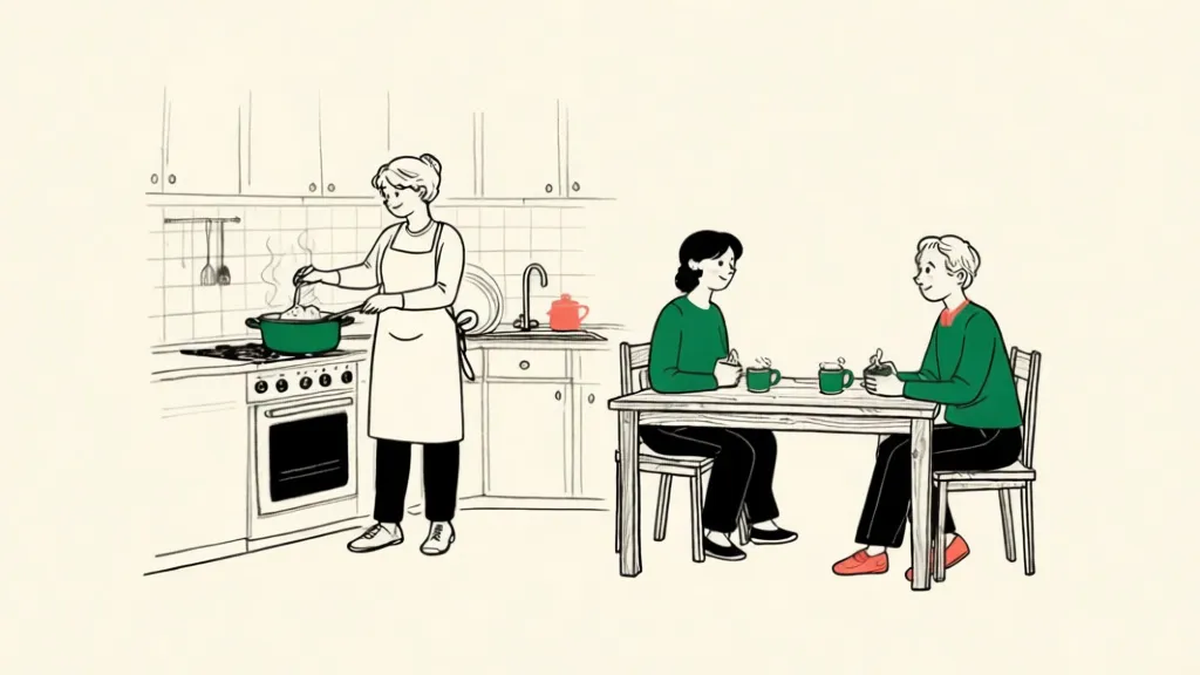
What holds a Hope Lodge together is unglamorous and almost entirely volunteer-run. People cook and serve meals, organize game nights, fix what breaks, look after the grounds, and at some locations drive guests to and from their appointments. You can give a single day or stay for years.
Fourteen cents a mile
The other logistical program is Road To Recovery, which sends trained volunteer drivers to take patients to treatment and home again, free. Rides are arranged through the Society's round-the-clock helpline, 1-800-227-2345, with a few business days' notice so a driver can be matched.
The bar for becoming one of those drivers is specific rather than high. You need to be between 18 and 84, hold a valid licence and adequate auto insurance, have access to a safe and reliable vehicle, pass background and motor vehicle record checks, be comfortable with the scheduling technology, and finish the training. You set your own frequency — twice a month, weekly, more. There is no pay; the only money involved runs the other way, in the IRS deduction of 14 cents per mile driven for a charity.
The Society is blunt about the gap: it does not have enough volunteers to meet every request, and some patients are left without a ride.
The rest of the machine
The research side kept pace through 2024: between August and December alone, 245 new or renewed grants went to investigators at 106 institutions, worth more than $98 million, pushing the year's new research investment past $132 million. The Society reports 81% of its financial resources go directly to mission work; it holds a four-star Charity Navigator rating, the BBB Wise Giving Alliance's National Charity Seal, and Candid's Platinum Seal of Transparency.
Volunteering isn't only driving or cooking. ACS CARES pairs trained volunteers with patients and caregivers who want someone to talk to, Relay For Life and Making Strides Against Breast Cancer run largely on local organizers, and the Discovery Shops — resale stores funding the mission — are volunteer-staffed.
If you want to help
Donations go through the Society's own channels at cancer.org. Volunteer roles, including Road To Recovery and Hope Lodge, are listed and applied for at volunteercommunity.cancer.org. And if you or someone close to you needs the practical side — a ride, a bed, a person on the phone at two in the morning — that is what 1-800-227-2345 is for.
Strip an organization this size down and what is left is mostly individuals: a retiree who drives a stranger to radiation twice a month, someone who cooks Tuesday dinner in a shared kitchen. Pennygood was built for people like that — a place where a community can send one person small, steady monthly support for the good they do quietly. The American Cancer Society is not on Pennygood and this is not a route for giving to it. But if you're the one doing that kind of work, you can start a page at pennygood.me.