Community
The American Heart Association and the volunteers who decide what gets funded
From a 1948 radio contest to today's peer-review committees, the American Heart Association has handed its most consequential decisions to volunteers.
By The Pennygood team · Sep 2026 · 4 min read
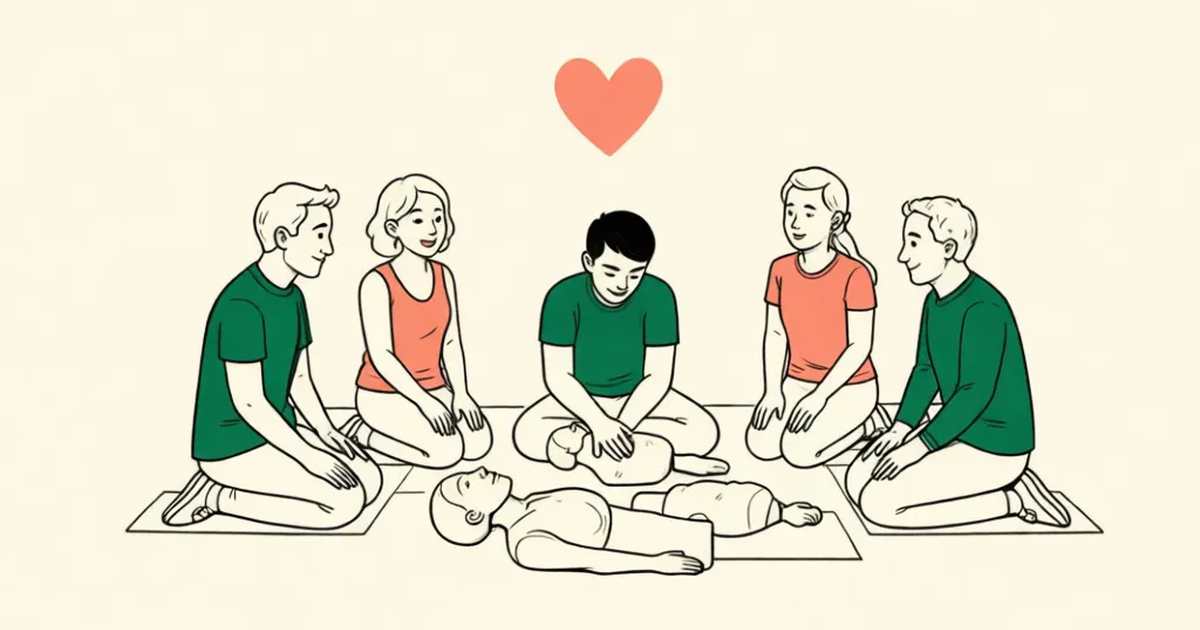
In 1948 a radio show asked its listeners to guess the identity of a man they could only hear walking. More than two million letters came back, most with small change folded inside — an average of about 70 cents apiece. The contest, "The Walking Man" on Ralph Edwards' Truth or Consequences, raised over $1.5 million before a listener in Richmond, Indiana correctly named the footsteps as Jack Benny's. The money went to a little-known group that had just decided to stop being a private club: the American Heart Association.
A doctors' society that opened its doors
The association was founded on June 10, 1924, in Chicago, by six cardiologists who thought research might eventually make heart disease treatable. One of them, Paul Dudley White, later described the era bluntly: "We were living in a time of almost unbelievable ignorance about heart disease."
For its first two decades it stayed what it started as — a professional society for physicians. The turn came in 1948, when it reorganized into a nationwide voluntary health organization and deliberately brought in non-medical volunteers: people who knew business, communications, public education, community organizing and fundraising. The Walking Man contest was what that decision looked like in practice. Today the association is headquartered in Dallas and counts more than 35 million volunteers, donors and supporters worldwide.
Who picks the science
Since 1949 the association has put more than $6 billion into cardiovascular and stroke research, and it credits that funding with supporting the work of 15 Nobel Prize-winning scientists. In the 2025–26 fiscal year alone it activated 1,261 research projects representing $185 million.
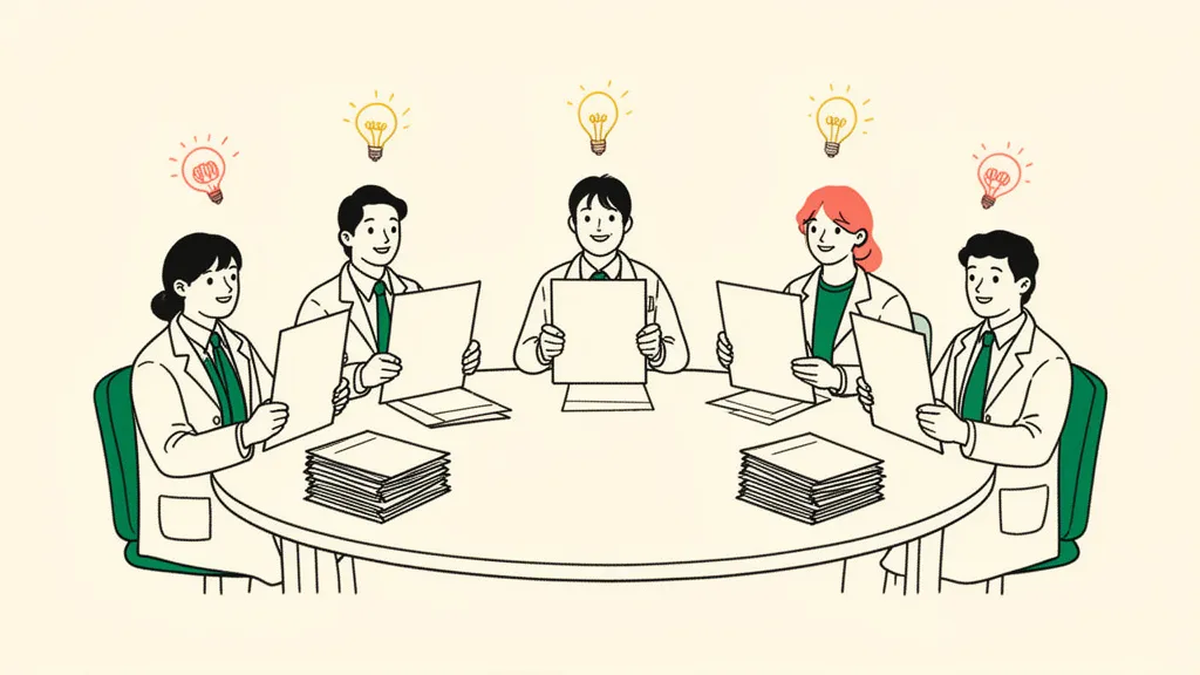
The unusual part is who chooses them. The proposals are judged by volunteer scientists — researchers holding an MD, PhD or equivalent doctorate, from early-career investigators to senior figures — seated on peer review committees organized by award type and research topic. They read the abstracts, write up strengths and weaknesses, score each application, then meet to argue it out; the highest-ranked ideas get the money. Reviewers are kept away from anything they have a stake in, including proposals from their own institution or from co-authors and collaborators. In the 2025–26 fiscal year, peer volunteers worked through 6,191 proposals.
Teaching a country to restart a heart
More than 350,000 cardiac arrests happen outside a hospital in the U.S. each year, and roughly nine out of ten of those people die — in part because bystanders start CPR less than half the time. The association trains about 22 million people in CPR annually through a network of thousands of training centers and hundreds of thousands of instructors, and it has set itself a public target: double the survival rate from cardiac arrest by 2030.
The push it calls Nation of Lifesavers, sponsored nationally by Walgreens, leans on students. Heart Clubs — student-led groups that started in the 2024–25 school year — now number over 250 across the country. In the latest round of grants, 32 of those clubs at 17 high schools and 15 colleges in 20 states and Washington, D.C. received support: colleges get CPR training kits and $500 to run sessions on campus, while high schools can receive up to $4,500 to build a cardiac emergency response plan.
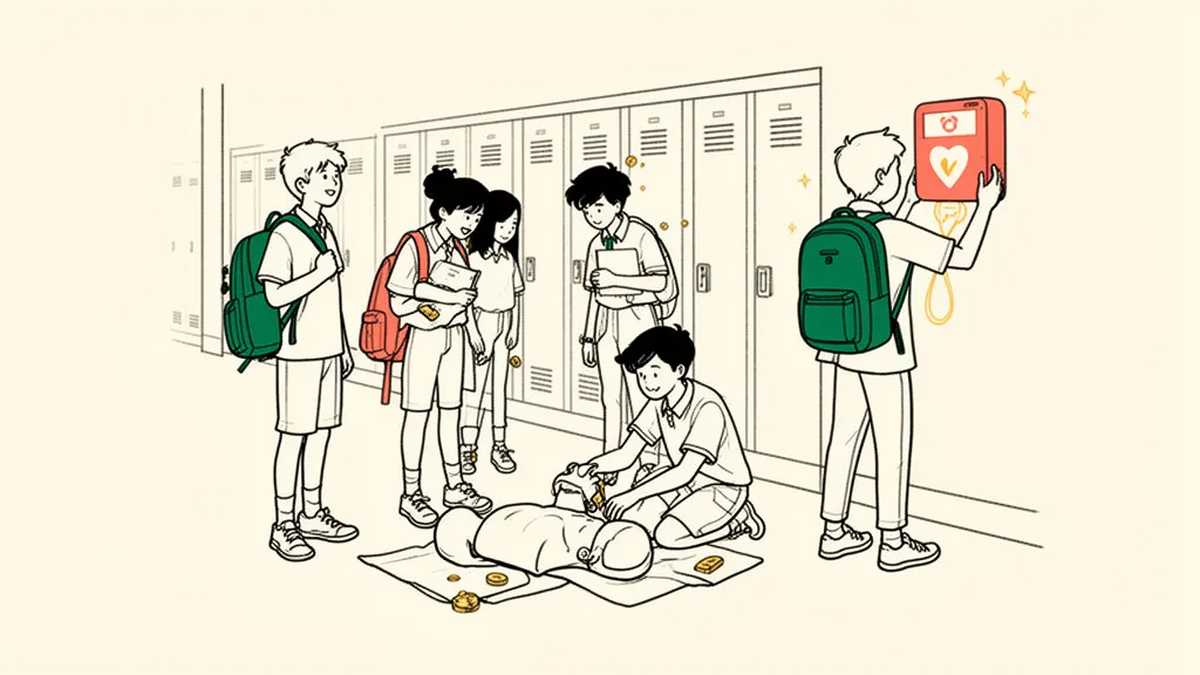
What that buys is measured one person at a time. In November 2025, a student at Locust Valley High School in New York went into sudden cardiac arrest during basketball tryouts. Coaches and students started compressions immediately and got the school's defibrillator to him. He survived.
If you want to help
Donations and volunteer sign-ups run through the association's own site, heart.org — that is the only channel we'd point you to. The cheapest thing you can do costs nothing but an afternoon: learn hands-only CPR, find out where the defibrillator is in the buildings you spend time in, and if you're a student, ask whether your school has a Heart Club.
It is worth noticing that an organization this large still runs on individual people giving their time — the researcher reading grant applications on a Saturday, the teacher who checks the AED batteries. Pennygood exists for that kind of person: a place where a community can put a few dollars a month behind someone who quietly does good work. The American Heart Association is not on Pennygood and this is not a way to give to it — but if you're an individual doing work like this, you can start a page at pennygood.me.