Community
The American Red Cross: 275,000 Volunteers Behind the Nation's Disaster Response and Blood Supply
Clara Barton founded the Red Cross in 1881. Today volunteers make up more than 90% of its workforce.
By The Pennygood team · Jun 2026 · 3 min read
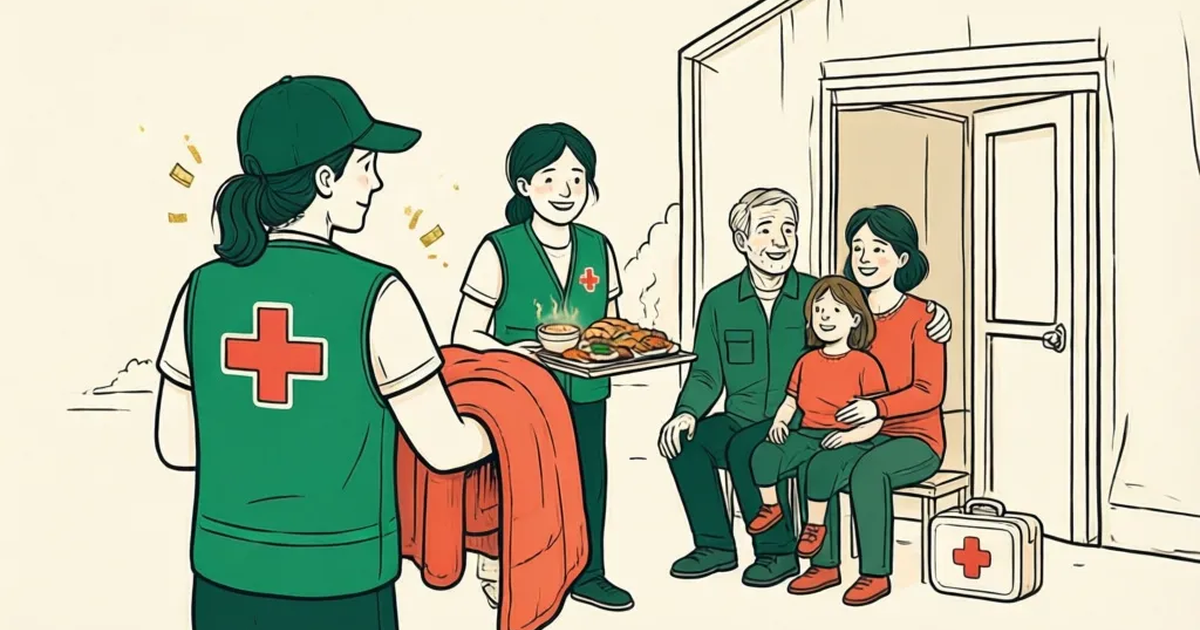
When a hurricane forces thousands from their homes, the people handing out blankets, cooking meals, and running emergency shelters are mostly not paid staff. At the American Red Cross, volunteers make up more than 90% of the workforce — almost 275,000 people across the country. They are the reason a single organization can show up at disasters nationwide, often within hours.
That structure traces back to one determined founder and a model imported from Europe.
Clara Barton's idea, brought home from a war
Clara Barton and a small circle of acquaintances founded the American Red Cross in Washington, D.C., on May 21, 1881. Barton had learned about the Swiss-rooted international Red Cross movement while in Europe after the U.S. Civil War. She came home and campaigned both for an American branch and for the United States to ratify the Geneva Convention protecting the war-wounded, which it did in 1882.
She led the organization for 23 years. In that time the Red Cross carried out its first domestic and overseas relief efforts and assisted the U.S. military during the Spanish-American War. The organization received its first congressional charter in 1900 and a second in 1905, the year after Barton retired — a federal tie that still shapes its role today.
Two missions: disasters and blood
Most people picture the Red Cross at disasters, and that work is constant. In 2024 — a year that saw 24 separate billion-dollar weather and climate disasters in the U.S., the second-highest count on record — Red Cross volunteers served more than 7 million meals and snacks, nearly triple the organization's five-year average. They responded continuously to hurricanes including Helene and Milton, plus floods and wildfires, and supported relief for 16 international climate disasters.
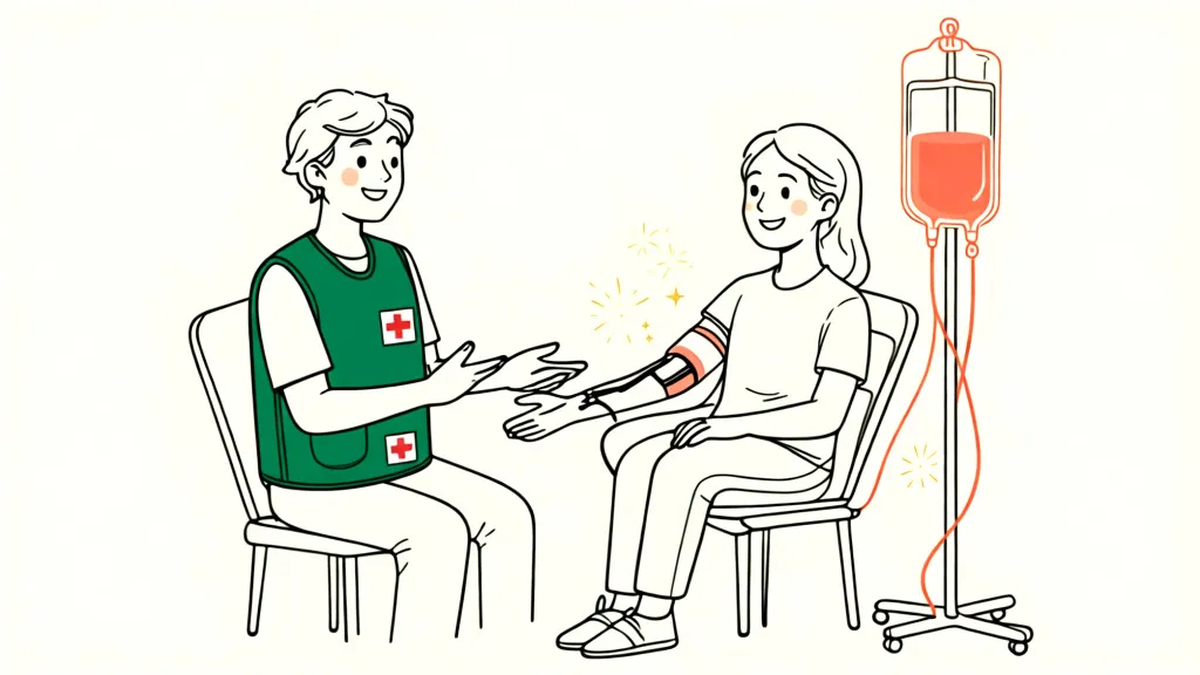
Less visible is the blood. The American Red Cross supplies roughly 40% of the nation's blood, collecting from volunteer donors and distributing to hospitals. Much of this is run by volunteers too: people who greet and check in donors at blood drives, and transportation specialists who move blood products to nearby hospitals. It is a large, logistics-heavy operation that runs quietly between the headline emergencies.
How volunteering actually works
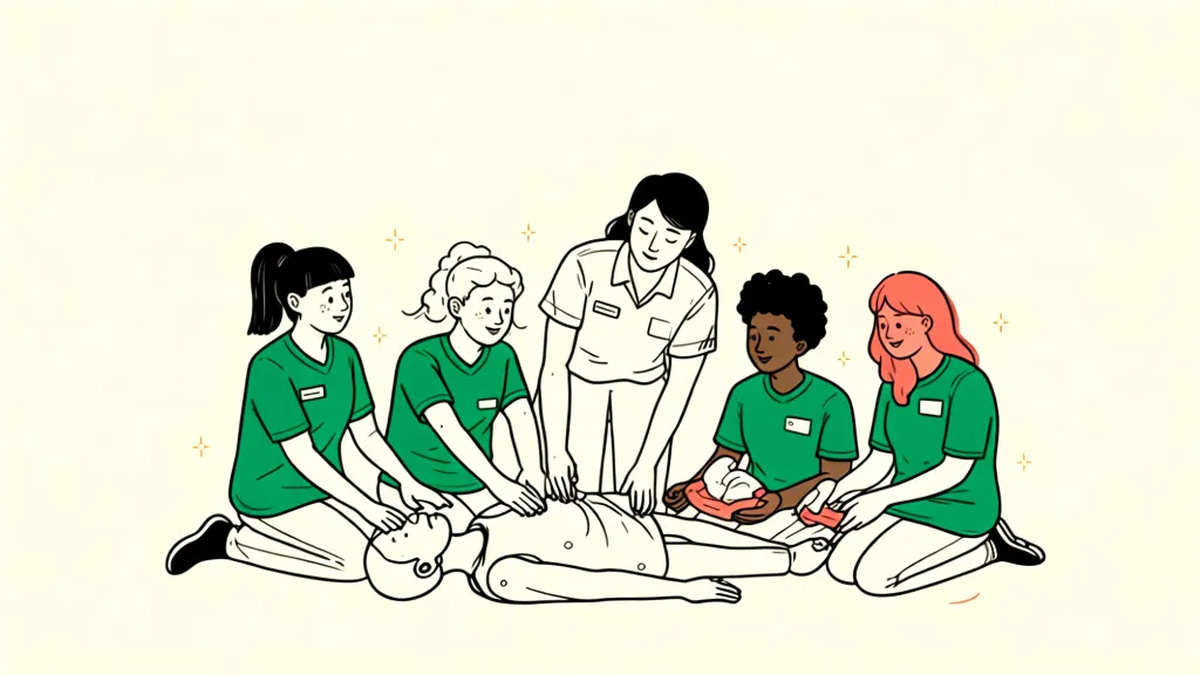
The volunteer roles are varied and concrete. Some people deploy to disaster shelters; others stay local as blood drive ambassadors or drivers. Many start by taking Red Cross training and certification in CPR, first aid, and water safety — skills that are useful well beyond any single shift. The organization holds a Four-Star rating with a 93% overall score from the charity evaluator Charity Navigator, which assesses accountability and finances.
If you want to support the Red Cross directly, go through their own channels. You can donate at redcross.org/donate or by calling 1-800-HELP NOW (1-800-435-7669), and you can find volunteer roles at redcross.org/volunteer. Gifts of any size and a few hours of time both feed the same mission.
A note on this blog: Pennygood (pennygood.me) is a platform for supporting individual good-doers — the volunteer down the street, the local organizer — with small monthly contributions, not large institutions. The American Red Cross is not on Pennygood and has no affiliation with it. But if you are someone who quietly does good in your own community, you can start your own page at pennygood.me.