Payouts
Monthly Donations Without a Nonprofit: How to Receive Recurring Support as a Person
A practical guide for people who want monthly support without founding a company or NGO: define the need, compare payment rails, understand small-fee math, and stay humble about taxes.
By The Pennygood team · Sep 2026 · 11 min read
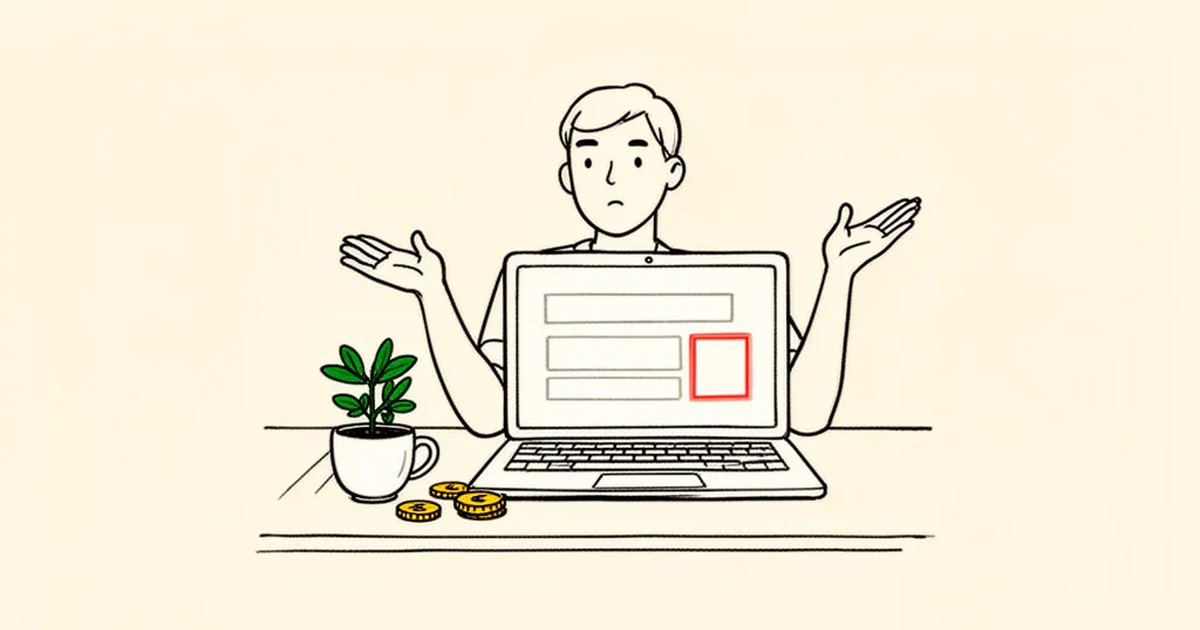
A person can want to receive a little support every month without founding a nonprofit or registering a company. Maybe you teach free classes, care for animals, organize a neighbourhood project, work as an NGO freelancer, or do useful work that does not fit a membership business. The practical question is not whether your work is formal enough. It is which payment rail can verify you and pay you in your country, and what the recurring charge actually leaves behind.
This page is for the receiver side of monthly support. It is not a GoFundMe setup guide or an NGO fundraising manual. For the GoFundMe-specific recurring feature, see GoFundMe monthly donations (https://pennygood.me/articles/gofundme-monthly-donations).
What are monthly donations or recurring support?
A monthly donation or recurring-support payment is a contribution that a person authorizes to repeat every month instead of being made once. It continues until the supporter cancels, the page stops offering it, or the payment method fails.
“Donation” is the phrase many people search for. On a personal page, “support” or “backing” may be more precise: a payment to a person is not automatically a gift to a registered charity, and it is not guaranteed income. The wording should match what you offer. If supporters receive content, access, or a service, that may be a different kind of transaction from voluntary community backing.
Who is this for—and who is it not for?
This model can suit volunteers, carers, community organisers, neighbours running free activities, and freelancers who do design, writing, translation, or coding for NGOs. It can also suit someone whose ongoing work is useful but who does not want to build tiers, perks, or a content calendar.
It is less suitable for an emergency with a fixed target and deadline, where a campaign may explain the need more clearly. It is also not the right substitute for a registered organization when donors need an official tax receipt or when an association needs nonprofit administration. Those are different jobs.
Why does PayPal ask for a registered organization?
PayPal’s donations product is designed for registered charitable organizations. It may therefore ask for organization details, registration evidence, or proof that you represent the entity. Being stopped by that form does not prove that a person cannot receive support; it may simply mean that you selected a product built for a different recipient.
A personal one-time payment, where permitted, does not automatically solve recurring support either. Without a recurring product, the same supporter has to remember to pay again each month. Look for a service that accepts individual receivers and can pay to the bank account and country you actually use. Check its current eligibility and terms instead of assuming that a personal account and a charity-donation product have the same rules.
Two rails that can work: international and local
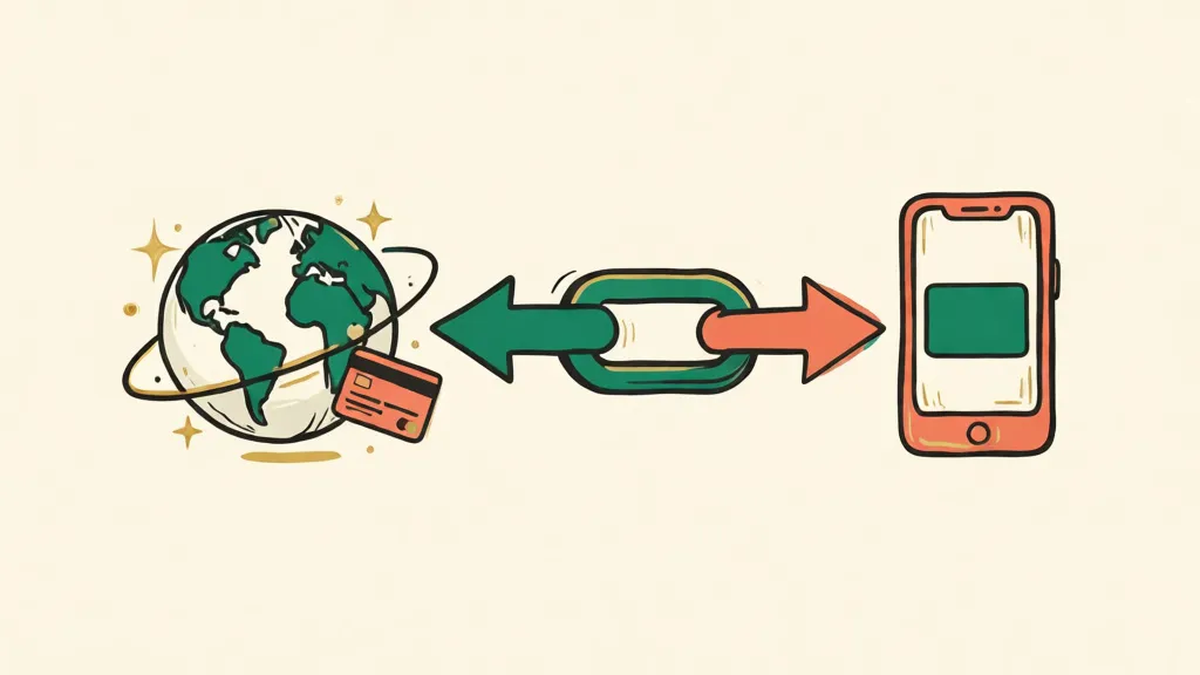
Start with two facts: where your supporters live and where your bank account is.
International rail
Platforms such as Buy Me a Coffee, Ko-fi, Patreon, and Pennygood are examples of services that may charge supporters by card, often in a major currency, and pay the receiver through the providers and countries they support. The important question is not whether your work looks official enough. It is whether the specific product can verify you, charge your supporters, and pay out to your country, currency, and bank account.
International reach can be useful when supporters live in several countries. It can also add currency conversion, payment-processing, and withdrawal friction. Read the current fee and payout pages for the service you choose.
Local rail
If most supporters live near you, a local processor may be easier. Depending on the country and product, examples include Mercado Pago subscriptions in some markets, Cafecito in Argentina, and Vaki in Colombia. Product names, eligibility, recurring features, fees, and payout rules change, so verify the current official terms before putting one in your bio.
A local rail can simplify currency and withdrawals and may be more familiar to local supporters. It may be less convenient for people abroad. Two clear rails can be useful; five unexplained links usually are not. Add another option only if you can maintain it and explain what each one does.
“Stripe is not in my country”—what does that mean?
There are two different questions: can you open your own merchant account directly with Stripe, and can a platform connect you through Stripe Connect? Those are different products, responsibilities, and country lists.
The fact that direct Stripe onboarding is unavailable in a country does not automatically mean that every platform using Stripe Connect cannot pay a connected account there.
The reverse is also true: Stripe Connect wording is not a guarantee that your account will pass verification. Check the platform’s payout country, identity requirements, supported currency, bank-account rules, and any local restrictions before you announce a page.
Out of US$3 a month, how much arrives?
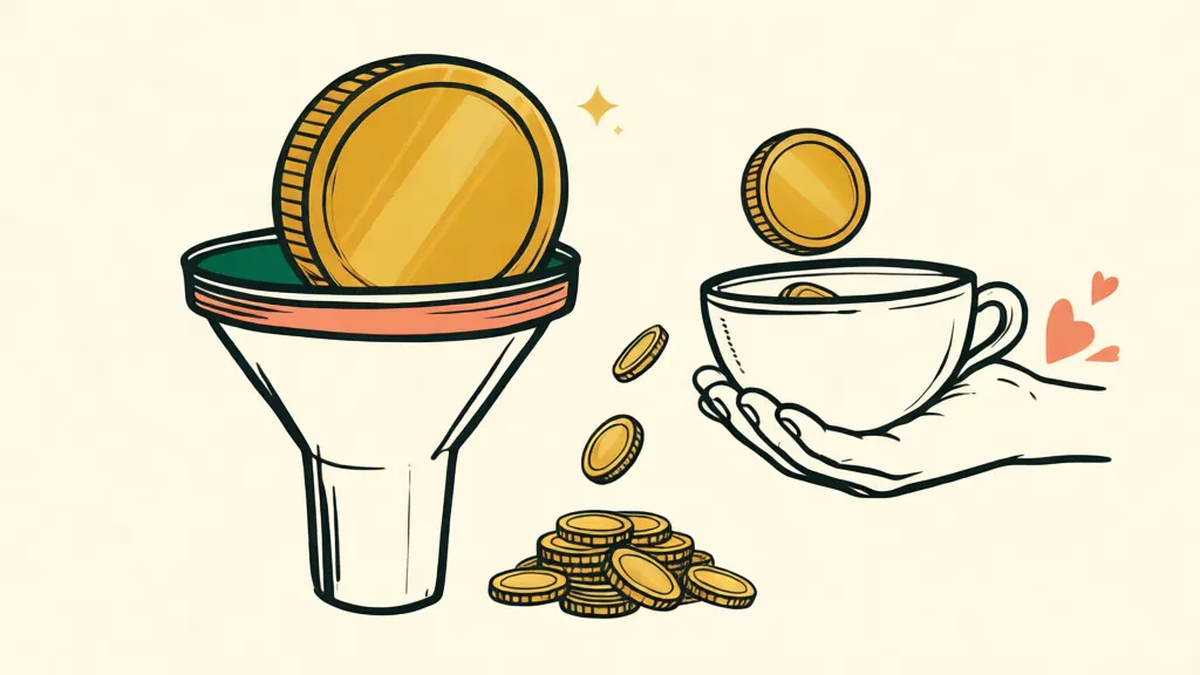
There is no universal net amount. The answer depends on the platform, processing method, currency conversion, country, and withdrawal rules. A fixed US$0.30 matters a lot on a US$3 payment: by itself it equals 10% of that small charge, before percentage fees or conversion.
For Pennygood, the editorial product facts for this page are straightforward: support can start at about US$3 per month; Pennygood keeps 8%, so the page creator keeps 92% before Stripe processing. That 92% is not a promise of the final bank payout. Stripe processing, currency, payment method, and account details still matter.
For a broader small-payment illustration, see how much monthly support really leaves after fees (https://pennygood.me/articles/cuanto-se-recibe-apoyos-mensuales). Treat examples from any platform as illustrations, not a quote for your country. Compare the full stack—platform percentage, fixed fee, processing, conversion, and withdrawal—on the amount you actually expect to receive.
Where does GoFundMe fit?
GoFundMe can fit an emergency or a campaign with a target and deadline. Some eligible campaigns also offer monthly donations, but the settings, donor-paid recurring fee, cancellation path, closing consequences, and payout countries are GoFundMe-specific. Those details live in the GoFundMe monthly-donations guide (https://pennygood.me/articles/gofundme-monthly-donations); this page does not repeat its fee table.
If you want creator memberships, exclusive content, or tiers, Patreon or Ko-fi may be a closer fit. See Ko-fi vs Patreon (https://pennygood.me/articles/vs-patreon-kofi) for that comparison rather than treating every recurring payment as the same model.
Tax: an honest stopping point
Do not call every monthly payment a tax-deductible charitable donation. Pennygood is not a registered charity, and a personal Pennygood page is not automatically a certificate from an entity covered by a charitable-deduction regime. For a reader in Spain, references such as Ley 49/2002 concern qualifying entities and do not turn a personal support page into one. This page is not an IRPF guide.
Tax treatment can depend on your country, whether you provide something in return, the frequency and size of payments, and how you receive the money. Keep records of gross receipts, platform fees, processing, currency, and what reaches your account. If classification or deductions matter, ask a qualified local accountant or tax adviser. Do not promise supporters a deduction that you cannot document.
How to start without a company or nonprofit
- Explain what you do and what next month’s support could help with.
- Decide whether your supporters need an international rail, a local rail, or both.
- Confirm that the product accepts individuals in your payout country and can pay your bank account.
- Compare the percentage, fixed charge, processing, conversion, and withdrawal cost on a small payment.
- Offer a clear amount—perhaps from about US$3 per month—without presenting the gross amount as net income.
- Say plainly whether supporters receive no perks, content, or service in exchange.
- Record gross payments, fees, currency, and actual receipts from the first charge.
- Recheck platform rules and local tax obligations before sharing the link.
Pennygood as a soft option for ongoing support
Pennygood is designed for people who want to explain useful ongoing work and receive support from about US$3 per month, without creating an NGO or company solely for that purpose. The platform keeps 8%, and the page creator keeps 92% before Stripe processing. Payments use Stripe Connect in 120+ countries, subject to current availability, verification, and local requirements. There are no required tiers or rewards.
That is a product description, not a guarantee of income, bank compatibility, or tax treatment. Check availability and plan from the amount after fees. Learn more at Pennygood (https://pennygood.me) or How Pennygood works (https://pennygood.me/articles/how-pennygood-works).
Musa’s page (https://pennygood.me/musa) is a soft example of the format. It currently shows 0 backers, which is honest context, not traction or an earnings claim. Read it to see how a person can describe ongoing work; do not treat the page as proof that recurring support will arrive.
Frequently asked questions
Can I receive monthly donations as an individual?
Often, yes, but not necessarily through a charity-donation product. Choose a platform that accepts individuals and pays your country, or a local rail for personal receivers. Confirm eligibility, fees, currency, withdrawals, and tax obligations before sharing the page.
Why does PayPal ask for a registered organization?
Because its donations product is designed for registered charitable organizations. That barrier applies to that product; it does not mean every recurring-support platform requires a nonprofit. A personal one-time payment is also not the same as recurring support.
Should I use an international or local rail?
Choose based on supporter geography, your bank, currency, and the total fee stack. International rails can reach supporters abroad but may add conversion and withdrawal costs. Local rails can simplify currency and payout but may be harder for supporters in other countries.
Do I need my own Stripe account?
Not always. A platform may connect you through Stripe Connect. Direct Stripe availability and a platform’s connected-account payout availability are different questions. Check the specific platform and your country.
How much of US$3 reaches me?
There is no universal net amount. On Pennygood, 8% leaves 92% before Stripe processing; the final amount can change with processing, currency, payment method, and account details. Read the small-support fee math (https://pennygood.me/articles/cuanto-se-recibe-apoyos-mensuales) for the wider calculation.
Does GoFundMe work for monthly donations?
Some eligible GoFundMe campaigns offer recurring donations, but the feature is campaign-specific and its fee, cancellation, closing, and payout rules need separate checking. See GoFundMe monthly donations (https://pennygood.me/articles/gofundme-monthly-donations).
When do Patreon or Ko-fi fit better?
They may fit better when you want memberships, tiers, exclusive content, or a creator-audience relationship. Compare the models in Ko-fi vs Patreon (https://pennygood.me/articles/vs-patreon-kofi).
Are Pennygood payments tax-deductible NGO donations?
Do not assume so. Pennygood is not a tax-deductible NGO certificate or a registered charity. Local classification depends on your country and the relationship between supporter and receiver; ask a qualified adviser if needed.
Can I start without tiers or rewards?
Yes. Explain your work, say what ongoing support may help with, and offer a simple monthly amount. Do not promise benefits or content that you do not intend to provide.
What if PayPal rejects me in Argentina or another country?
Compare an international platform with a local rail available in your country, such as a current local subscription or support product. Verify the product, eligibility, payout, and fees; do not infer availability from another country’s experience.
Do I need two pages?
Not necessarily. Start with the rail that best serves your supporters and add another only if you can maintain both. A few clearly explained options are usually better than an unstructured list of links.