Community
Counting Instead of Shooting: The Audubon Society's 126-Year Bird Census
Every winter, tens of thousands of volunteers count birds for the National Audubon Society. The tradition started in 1900, as an alternative to a hunt.
By The Pennygood team · Aug 2026 · 5 min read
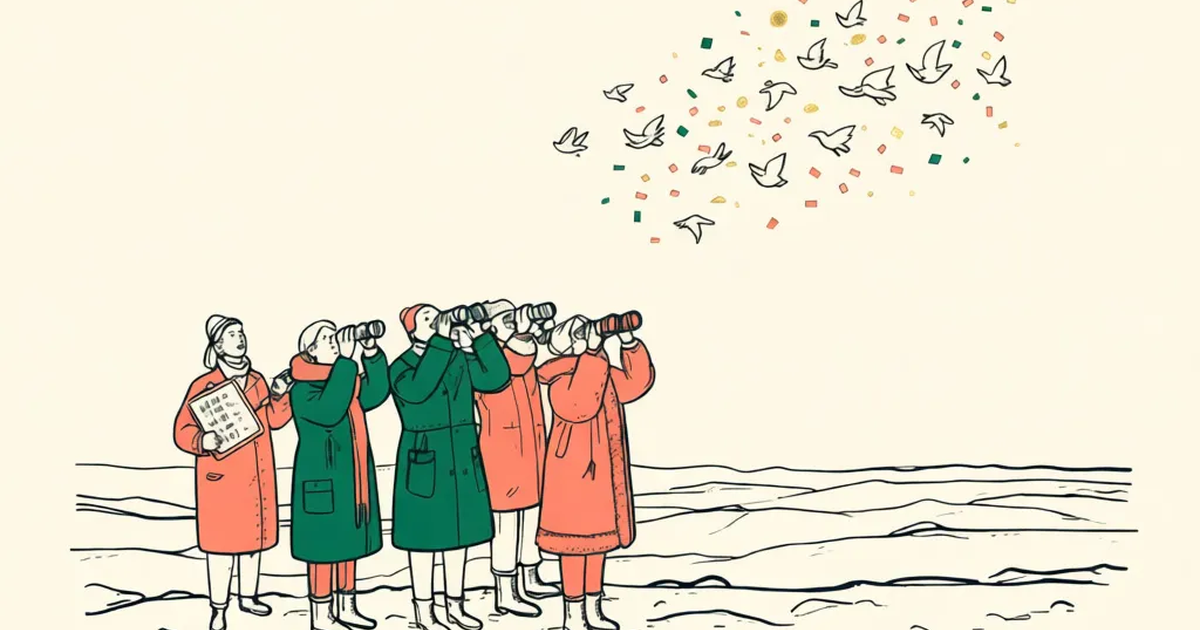
On Christmas Day in 1900, the seasonal tradition among American sportsmen was the Side Hunt: pick teams, walk out with guns, and see whose pile of feathered and furred quarry was bigger by evening. That year an ornithologist named Frank M. Chapman, an early officer of the young Audubon Society, proposed a different version of the game — go out and count the birds instead.
Twenty-seven people, twenty-five counts
Chapman's idea drew 27 birders, who ran 25 separate counts that day, from Toronto, Ontario down to Pacific Grove, California, though most were clustered near the population centers of northeastern North America. Between them they logged roughly 90 species. That was the first Christmas Bird Count.
The organization that grew around that early conservation push was incorporated in 1905 and has been at it for 120 years. The National Audubon Society today employs more than 800 staff, is tied to over 500 community and campus chapters, runs centers and sanctuaries around the country, and works with partner organizations in 11 countries. Its mission has stayed deliberately narrow: protect birds and the places they need.
The count that never stopped
The count still happens in the same window every season, December 14 through January 5. The 125th edition, in the winter of 2024-25, was the largest yet: 2,693 counts completed across 21 countries and territories, beating the previous record of 2,677. Of those, 2,036 were in the United States, 483 in Canada, and 174 across Latin America, the Caribbean, and the Pacific Islands.
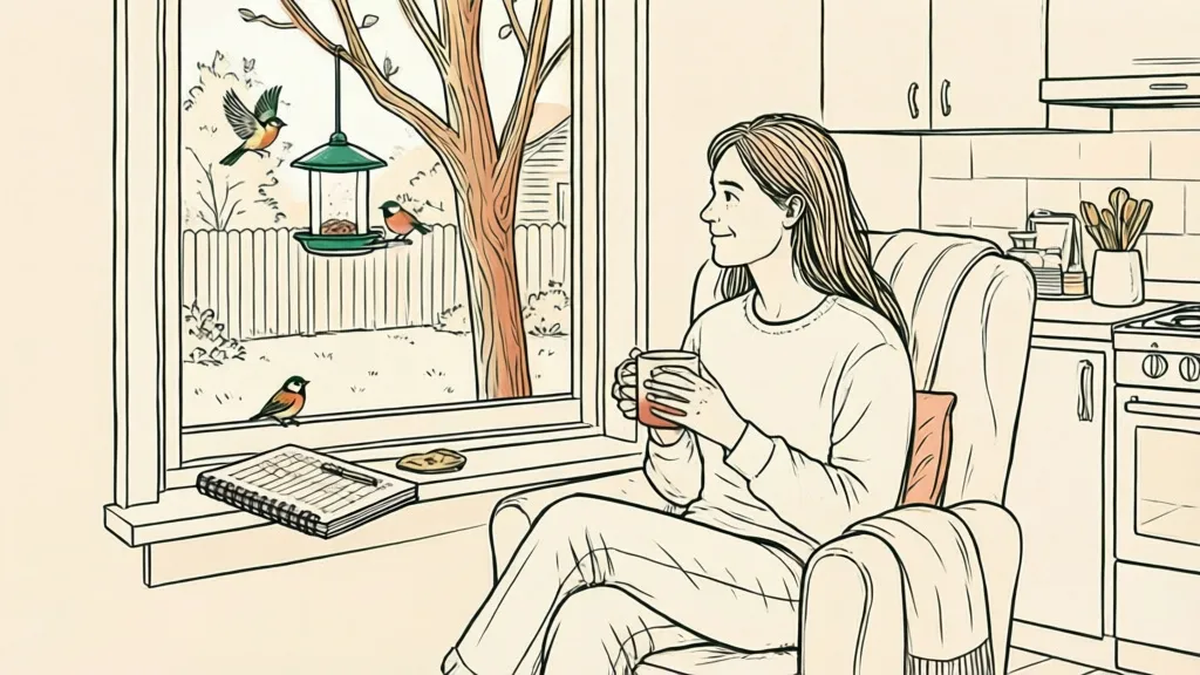
A total of 83,109 people took part — 72,457 out in the field, and another 10,652 counting from their own windows. Together they tallied 44,259,423 birds and 2,503 species.
A fifteen-mile circle and someone to run it
The method is deliberately simple. Each count site is a circle fifteen miles across, fixed in place so the same ground gets surveyed year after year. Everyone working inside that circle reports to a compiler, a volunteer who divides up the territory, tracks who covered what, and submits the results. The 126th count, which ran from December 14, 2025 to January 5, 2026, used more than 2,800 circles.
There is no fee to take part, and no requirement to already be good at this. Beginners register with a local compiler and get placed alongside experienced birders. If you can't get out into the field at all, you can sign up as a feeder counter and report whatever lands in your yard.
What the tally is for
Count data has been cited in more than 300 peer-reviewed articles. It fed into the 2019 Science paper led by Ken Rosenberg of the Cornell Lab of Ornithology, which found a net loss of nearly three billion breeding birds in the United States and Canada since 1970 — a roughly 30 percent decline across the 529 species analyzed. A 2022 Audubon study used ninety years of count data to trace how bird ranges have shifted.
The counts also carry their own quiet warning. Audubon's summary of the 125th season notes that even as circles and participants keep setting records, the raw number of birds counted has been drifting downward since 2014.
The counting doesn't stop in January
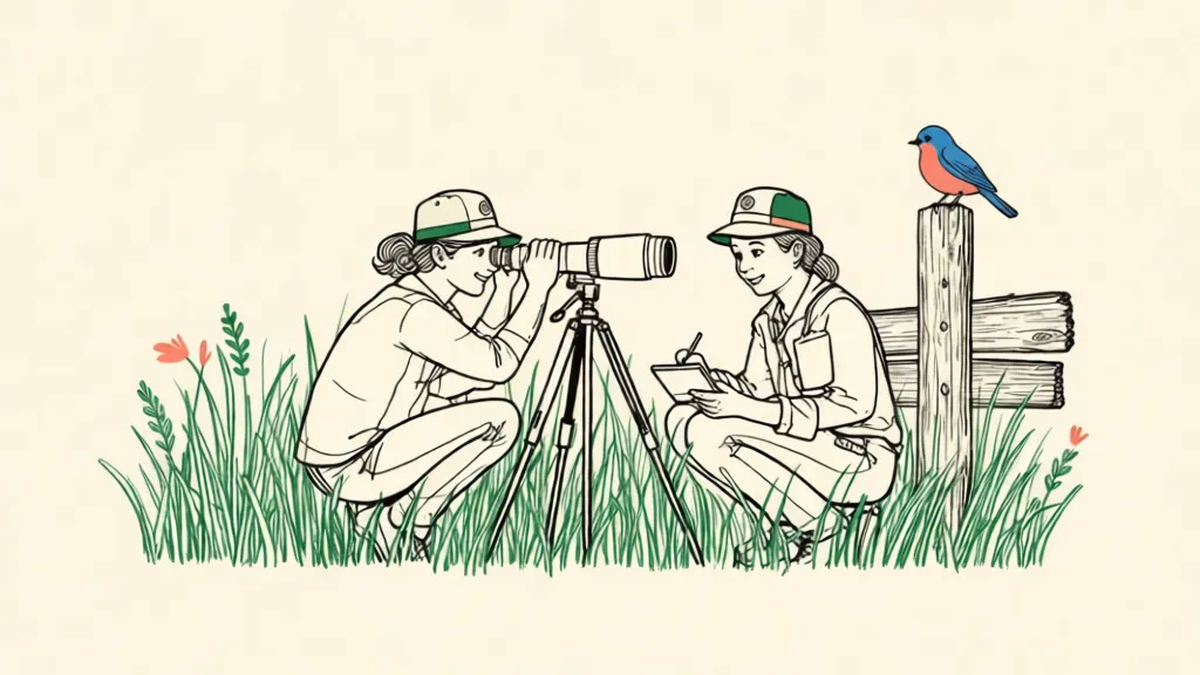
Since 2016 Audubon has run a second community science program, Climate Watch, built to test a specific prediction: that birds are moving as the climate shifts. Volunteers claim a 10-by-10-kilometer square and do twelve five-minute point counts inside it, noting whether target species show up — bluebirds, nuthatches, goldfinches, towhees, the Painted Bunting. There are two survey windows a year, January 15 to February 15 and May 15 to June 15.
The question behind it comes from Audubon's 2019 climate report, which concluded that up to two-thirds of North American bird species are vulnerable to extinction as temperatures rise. Climate Watch is the ground-level check on whether the predicted range shifts are actually happening. Alongside it sit the Great Backyard Bird Count and a native plants database that matches your address to the plants local birds actually use.
The name on the door
One thing worth knowing if you go looking for a group near you: the name is not settled. In March 2023 Audubon's board announced it would keep the organization's name, arguing that a rebrand was the wrong place to spend resources given the urgency of the work — while committing $25 million over five years to equity, diversity, inclusion and belonging efforts, and acknowledging the racist legacy of its namesake, John James Audubon. A number of independent chapters made the opposite call: groups in Seattle, Chicago, Portland, New York City and Detroit have renamed themselves, many as some version of a local Bird Alliance. Same work, different sign on the door.
If you want to back any of this, it runs through Audubon's own channels: membership and donations at audubon.org, local chapters listed under Audubon Near You, count sign-ups at christmasbirdcount.org, and the advocacy hub at audubon.org/takeaction.
None of the counting happens without people who give up December mornings and February weekends for it. Pennygood is built for that kind of person — a place where individuals doing good in their own communities can receive small, steady monthly support from the people who notice. The Audubon Society isn't on Pennygood, and this isn't a way to donate to them. But if you're the one out there with the clipboard, you can start a page at pennygood.me.