Community
Boys & Girls Clubs of America: The After-School Safety Net That Started in 1860
How a single room opened by three women in Hartford grew into 5,500 clubs that give millions of kids somewhere to be after 3 p.m.
By The Pennygood team · Jul 2026 · 3 min read
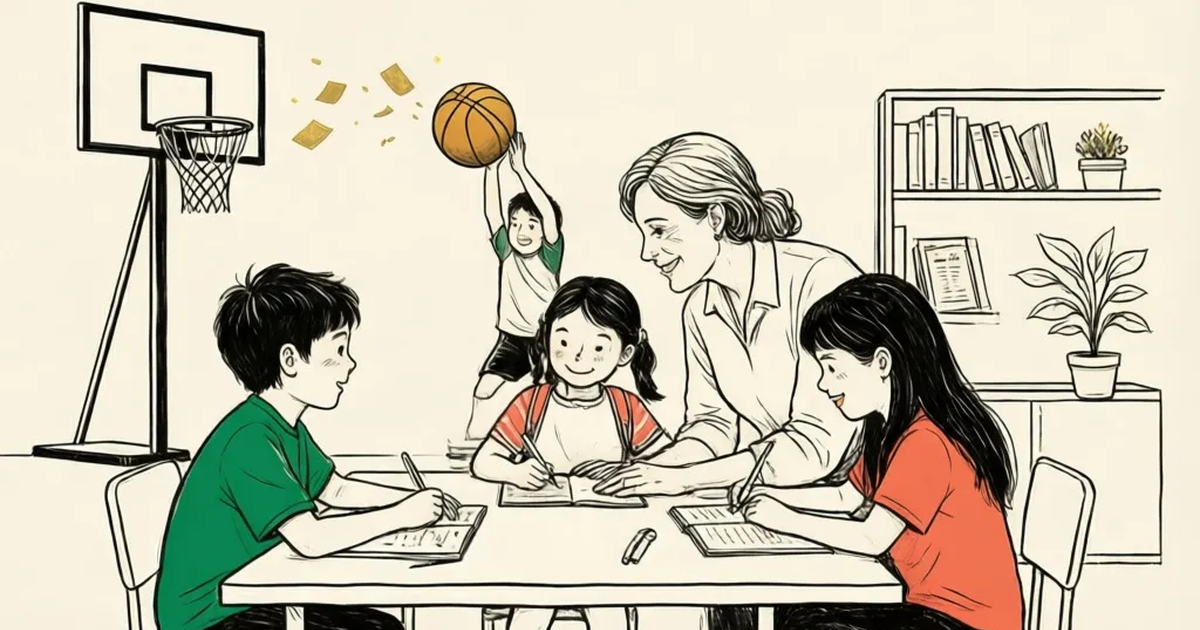
In 1860, three women in Hartford, Connecticut — Elizabeth Hamersley and the sisters Mary and Alice Goodwin — opened a room where boys who spent their days on the city's streets could go instead. More than 160 years later, that small idea has become Boys & Girls Clubs of America, one of the country's largest safety nets for kids during the restless hours after school lets out.
From a Hartford room to 5,500 clubs
The single club in Hartford didn't stay alone for long. In 1906, fifty-three clubs joined forces in Boston to form a national federation. It took the name Boys' Clubs of America in 1931 and became Boys & Girls Clubs of America in 1990 — the year it formally recognized the girls who had long been part of Club life. Today the organization is headquartered in Atlanta, holds a congressional charter, and counts more than 5,500 local Club locations across the U.S. and on military installations abroad.
The gap they fill: the hours after 3 p.m.
Much of what a Club does comes down to timing. The organization points to a stark figure — roughly 7.7 million children are on their own after school, and close to 25 million lack access to any after-school program. Those unsupervised afternoons are when kids are most likely to drift, and Clubs exist to give them somewhere to be. Membership costs families very little, and many Clubs serve healthy meals and snacks alongside homework help.
Each Club is built on three simple things: a safe place to go, structured programs in academics, health, and leadership, and trained adults who serve as mentors.
What the numbers say
In 2024, Boys & Girls Clubs reached about 4.2 million young people — 1.8 million through Club membership and another 2.43 million through community outreach. The organization's surveys of its members report encouraging results: 78% say they earn mostly A's and B's, 97% expect to graduate high school, and 69% said they had volunteered outside the Club in the past year. Independent watchdogs rate the national organization well, including a four-star rating from Charity Navigator and a Platinum seal from Candid.
Familiar faces who grew up in a Club
Plenty of well-known Americans spent their afternoons at a Club. Denzel Washington, a member as a boy, has been the organization's national spokesperson since 1993; the alumni rolls also include Michael Jordan, Magic Johnson, Shaquille O'Neal, and former presidents Jimmy Carter and Bill Clinton. The Clubs frame their goal more plainly than any famous name, though: helping every kid reach what they call a great future.
Support tends to be local. Most people give to or volunteer at the Club in their own town — you can find yours, and donate to the national organization or set up a monthly gift, through bgca.org.
A Club runs on the grown-ups who show up every afternoon: the coach, the homework helper, the person who remembers a kid's name. Pennygood is a platform made for exactly those people — a way for a community to send a little steady support, a few dollars a month, to the individuals who quietly do good where they live. If that sounds like someone you know, they can start a page at pennygood.me.