Community
Code.org Became CodeAI. The Rename Was the Small Part.
After 13 years teaching kids to code, Code.org rebranded as CodeAI in 2026 — new name, new courses, and a survey that explains why.
By The Pennygood team · Jul 2026 · 4 min read
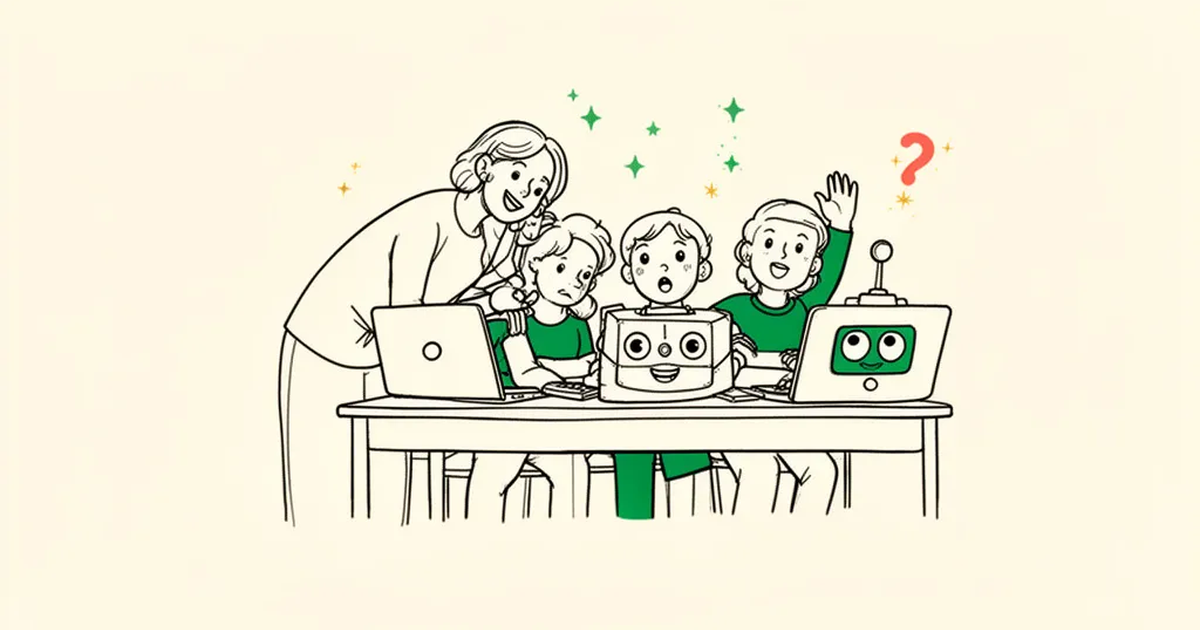
In 2013, two brothers put up a website with a video and a petition asking why most American schools didn't teach computer science. About a million people signed in the first week, roughly 20,000 of them educators. Thirteen years later that project has changed its name, because the subject it was founded to teach is no longer the one it thinks students most need.
From a petition to 150 million students
Code.org was launched in early 2013 by twin brothers Hadi and Ali Partovi and registered as a 501(c)(3) nonprofit based in Seattle. Its launch film, featuring a lineup of well-known technology founders, pushed a fairly dry education-policy argument into the mainstream. The organization now reports reaching more than 150 million students, over two billion hours of learning, and more than three million teachers, with students taking part in 190 countries. It counts all 50 US states as having some policy support for computer science and AI education.
It has also stayed an unusually open project. The curriculum is free and open source, the tutorials exist in dozens of languages largely because volunteers translated them, and the organization publishes commitments to student privacy and an ad-free platform. Charity Navigator rates it four stars, with a perfect score on its accountability and finance metrics.
The year the Hour of Code became the Hour of AI
For over a decade the group's most visible ritual was the Hour of Code: one hour of tutorial, dropped into classrooms during Computer Science Education Week each December, that any teacher could run without knowing how to program. In October 2025 the nonprofit announced it was rebuilding that campaign as the Hour of AI, developed with CSforALL and backed by a wide coalition — Microsoft, Amazon, Anthropic, Khan Academy, LEGO Education, Common Sense Media, the Scratch Foundation, the American Federation of Teachers and the National Education Association among them. The first edition ran December 8–12, 2025, and its headline activity had students remix music and choreograph animated dancers with AI tools.
In June 2026 the change reached the sign on the door: Code.org became CodeAI.
84% are using it. 16% are being taught it.
The case for the pivot is a gap the organization documented itself. In a YouGov survey of 666 US high school students run between September 2025 and February 2026, 84% said they use AI, while only 16% of high school leaders reported that all of their students learn about it in school. Three quarters of students expected AI fluency to grow in importance faster than other subjects, and 63% called it valuable for life after school. On the policy side, CodeAI counts only four states with formal AI education standards and 14 that require AI or computer science to graduate.
Its answer is to teach the machinery rather than the buttons. Two new courses anchor the shift: AI Foundations, a full-year high school pathway, and AI Discoveries, a middle school introduction. The organization says more than 4.5 million students have used its AI curriculum, over 75,000 have enrolled in AI Foundations, and more than 33 million learners have taken part in an Hour of AI since mid-2025.
New leadership for the new name
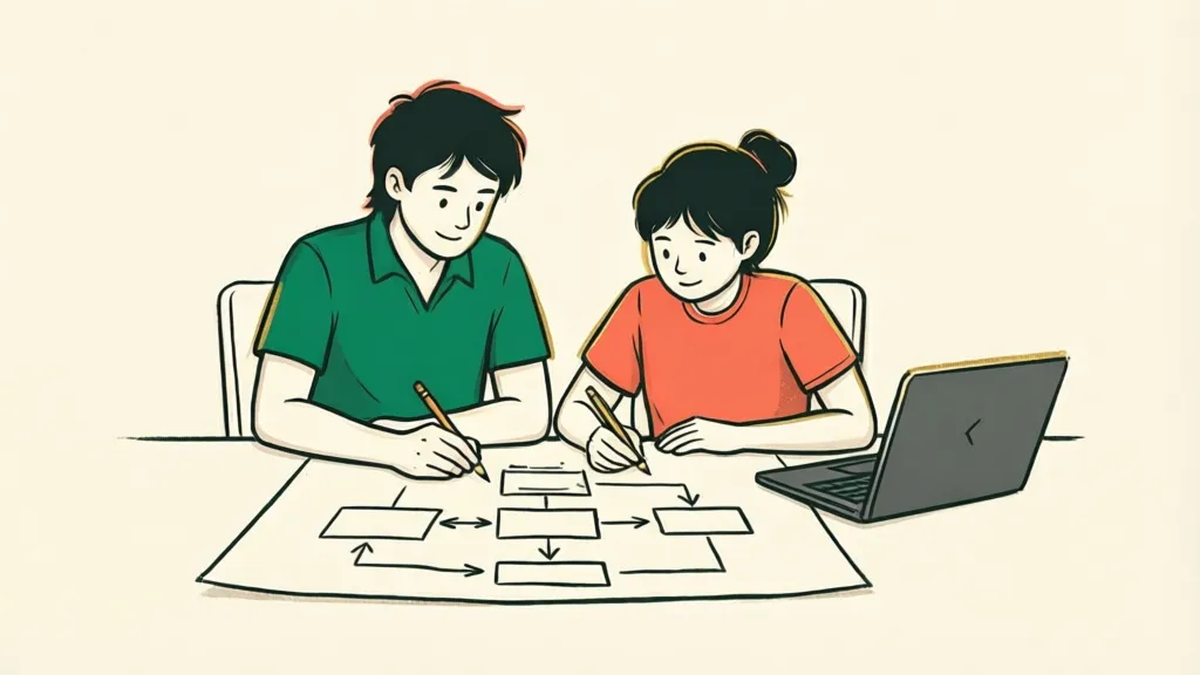
The turn came with a change at the top. Karim Meghji, previously the organization's chief product officer, became president and CEO. Founder Hadi Partovi moved to chairman of the board while staying closely involved day to day, and Cameron Wilson, the outgoing president, stayed on through June as an executive advisor. Meghji has argued that AI “has made the doing easy,” and that the work of education now is protecting students' ability to think critically and to question the tools in front of them.
It still runs on people who show up
For all the corporate backing, the campaign works because ordinary adults give up an hour. The pitch to hosts is deliberately low-barrier: you don't need to be an AI expert to lead an Hour of AI, and the activities are built to be picked up and taught cold. Teachers have long been able to find nearby volunteers through the organization's matching tools and decide together whether a visit happens in the classroom or over video. Volunteer translators are a large part of why the material reaches learners who don't read English.
If you want to back the work, do it through CodeAI directly. Its own donate page handles one-time and recurring gifts, donor-advised fund grants, employer matching and stock transfers, and the organization reckons a single dollar is roughly what it costs to introduce one child to computer science. If money isn't what you have, hosting an hour or helping translate a tutorial is genuinely useful to them.
Behind every one of those classroom hours is a person who gave up an afternoon and got nothing back for it. Pennygood was built for people like that — a place where someone doing quiet, unpaid good in their community can receive small monthly support from the people who notice. CodeAI isn't on Pennygood and this isn't a way to fund it; but if you're the one running the workshop, you can start your own page at pennygood.me.