Payouts
Do I Have to Pay Taxes on Money Supporters Send Me? Gift vs. Income
Gifts aren't income; money for lessons, perks or exclusive content is. How to tell, the $400 self-employment line and the $20,000 Form 1099-K rule.
By The Pennygood team · Sep 2026 · 5 min read

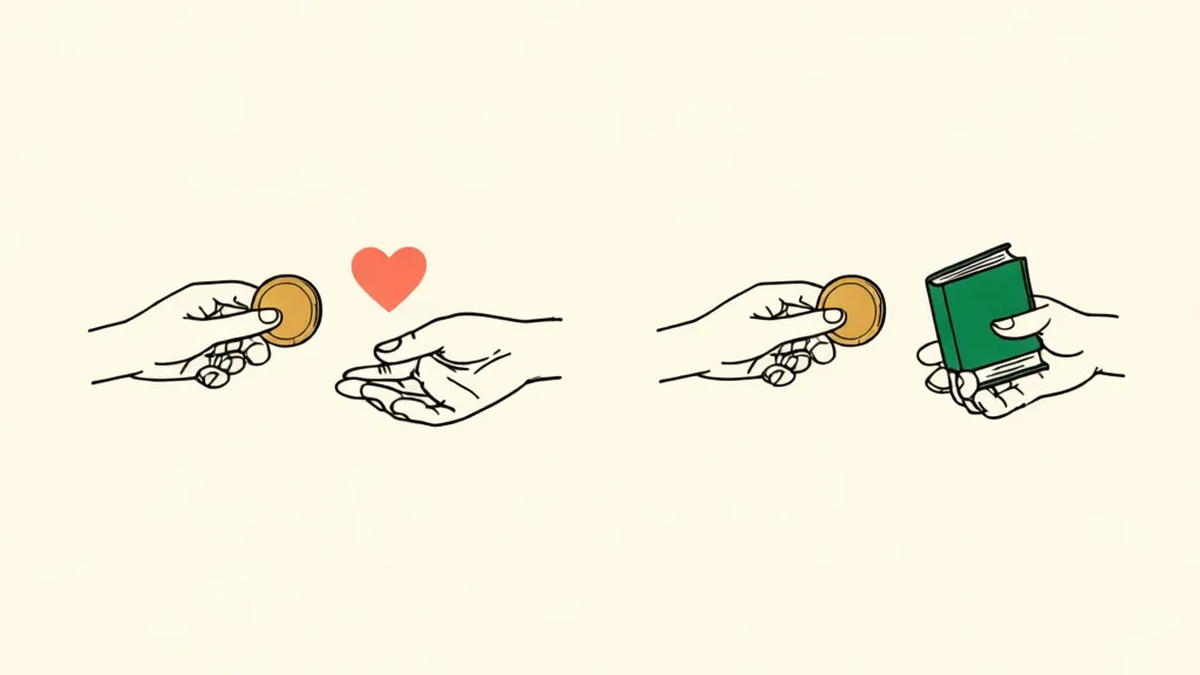
"Do I have to report the $20 a few people send me every month?" The amount doesn't settle it. One question does: does the person get something back for their money?
If they don't, it's generally a gift, and under federal law a gift isn't part of your income. If they do, whether that's a lesson, exclusive content or a service, it's income, and you report it like any other side earnings. What follows is general information drawn from IRS guidance, not tax advice for your situation.
How do I know if it's a gift or a payment?
In its guidance on crowdfunding, the IRS says money counts as a gift when it comes from generosity, with nothing received or expected in return, and that it can be taxable when contributors get goods or services for it. What your page calls the button doesn't change that.
- Gift side: neighbors chip in so a local rescuer can buy pet food, and all they get back is photos of the animals.
- Payment side: parents send $50 a month for their kid's math tutoring. That's paying for lessons, even if you call it support.
- Also payment: support that unlocks exclusive videos, a private group or one-on-one mentoring.
- Gray zone: a public thank-you or a sticker in the mail. This depends on the facts, and it's a fair question for a tax professional.
Don't let the app decide for you, either. PayPal and Venmo let the sender tag a payment as personal or as paying for goods and services, but a friends-and-family tag doesn't turn tutoring money into a gift. The IRS is plain about it: all income is taxable unless the law says otherwise, even if no form shows up.
If it's a gift, do I owe anything?
Not federal income tax. The tax code says gross income does not include property acquired by gift, and the IRS says money received from friends and family as a gift isn't taxable income. True gifts don't go on your return as income.
Gift tax, if it ever comes up, is the giver's concern. For 2026, the annual exclusion lets a person give up to $19,000 to any one recipient; a giver who goes over that for one person generally has to file Form 709. Someone sending you $30 a month gives $360 a year, far below it. One note for your supporters: money given to an individual isn't a deductible charitable contribution, even when the cause is good.
Still, keep a record: who sent what, when, and that nothing was given back. The IRS tells crowdfunding recipients to keep such records for at least three years, and the habit protects you here too.
If it's payment, how is it taxed?
Money for lessons, content or services is income. If you do it to make a profit, it's self-employment: you report it on Schedule C, and once your net earnings from self-employment reach $400 for the year, you owe self-employment tax, figured on Schedule SE. That tax is 15.3% (12.4% for Social Security, 2.9% for Medicare), and you can deduct half of it on your return.
If it's closer to a hobby, something you do for enjoyment rather than profit, the income still gets reported, on Schedule 1 of Form 1040. To tell the two apart, the IRS looks at factors such as whether you run the activity in a businesslike way and whether you depend on it for a living.
Nobody withholds tax on this money. If you'll owe $1,000 or more after withholding and credits, the IRS generally expects estimated payments during the year, in four installments with Form 1040-ES.
Will I get a Form 1099-K?
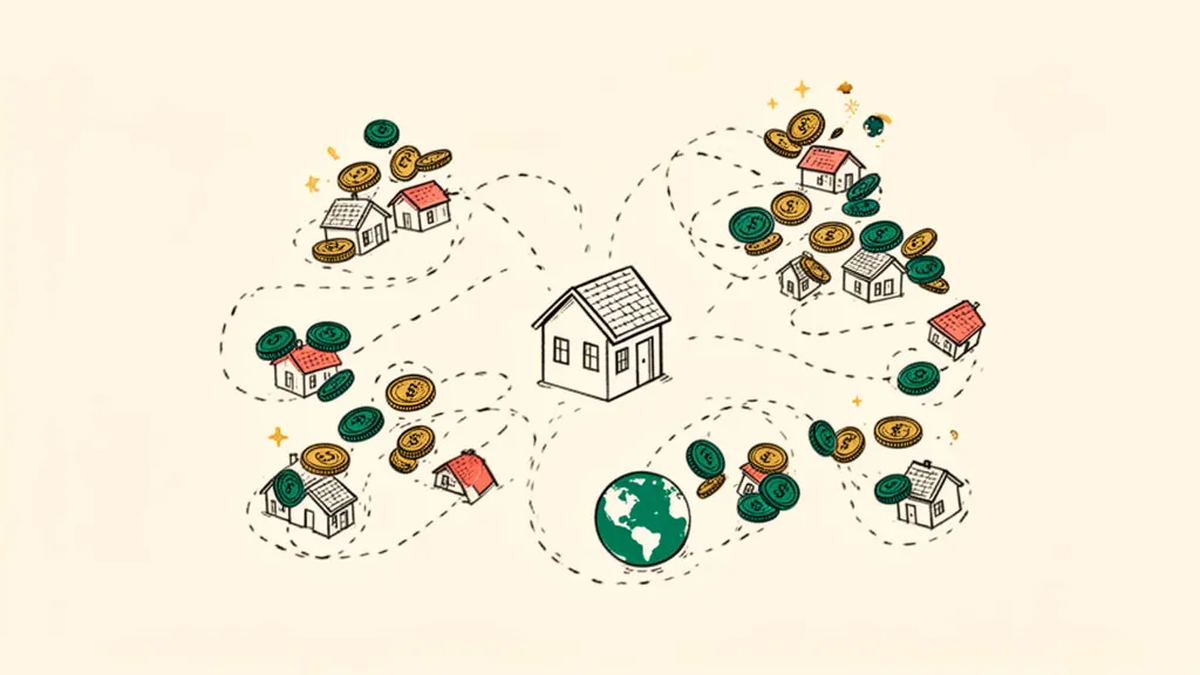
Probably not for small amounts. The One Big Beautiful Bill Act brought back the older federal threshold: payment apps and online platforms only have to file Form 1099-K when your payments for goods or services exceed $20,000 and the number of transactions exceeds 200 in a year. It replaced the $600 threshold set by a 2021 law. Some states set lower thresholds of their own.
The form is only a report. The IRS says you must report income whether or not you receive one, and that getting a 1099-K doesn't automatically make the amount on it taxable. Gifts from friends and family shouldn't be on it; if they are, use your records to separate them from payments.
What about money that comes through a platform like Pennygood?
On Pennygood, support is paid out through Stripe by a US company, and our help center treats that money as taxable income in most places, much like freelance earnings. Pennygood doesn't withhold any tax, and US-based recipients may receive a Form 1099-K from Stripe if they pass the IRS reporting threshold.
What should I do this month?
- Start a spreadsheet: name, date, amount, app or platform, and what the person got in return, if anything.
- Be consistent: if you offer lessons or exclusive content, don't call it a donation on your page or at tax time.
- Set aside part of any payment-type income for income tax and self-employment tax.
- If your income passes a few thousand dollars, or someone sends a large one-time gift, talk to a tax professional before filing season.
Small support rarely turns into a big tax bill. The real headache is reaching April without knowing who sent what, or why.