Community
Environmental Defense Fund: From Thin Eggshells to a Methane Satellite
For nearly sixty years, Environmental Defense Fund has won its arguments the same way — by going out and measuring something first.
By The Pennygood team · Aug 2026 · 5 min read
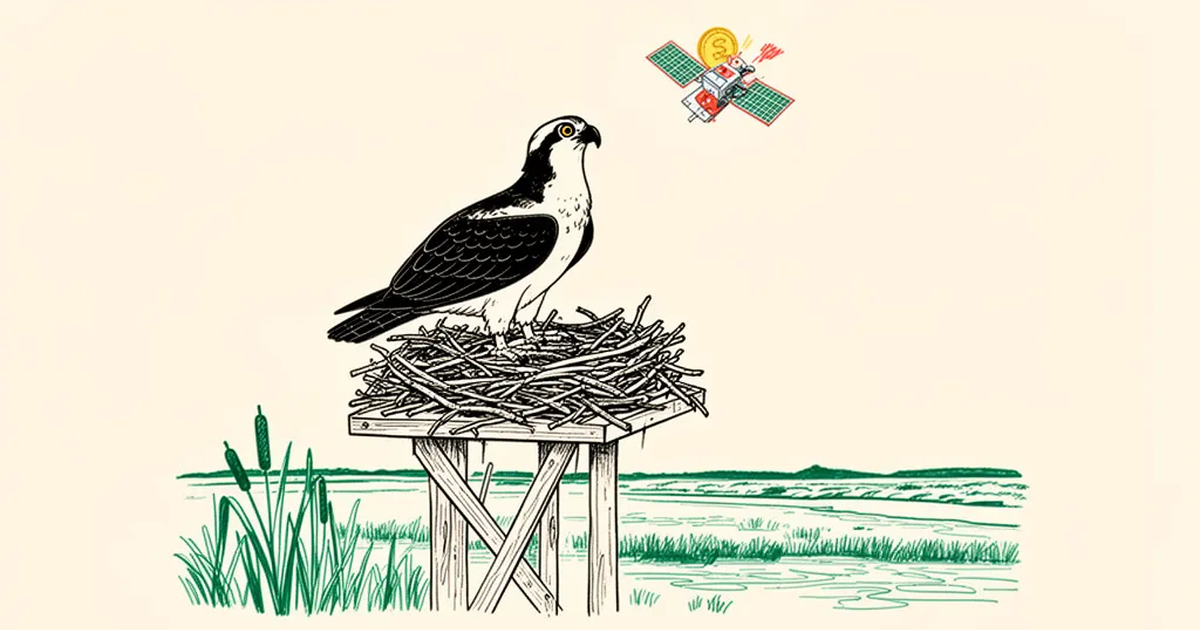
At 01:44 UTC on 20 June 2025, a satellite passed over a ground station in Svalbard, Norway, and reported that everything was fine. Just under an hour later, on its next pass near Antarctica, it said nothing at all. By 1 July the mission team had concluded that MethaneSAT had lost power and was probably not coming back — roughly $88 million and years of work, silent in orbit.
It was a bad day for Environmental Defense Fund, the nonprofit that built and flew it. It was also, in a way, the most characteristic thing the organization has ever done.
Why an environmental group builds a spacecraft
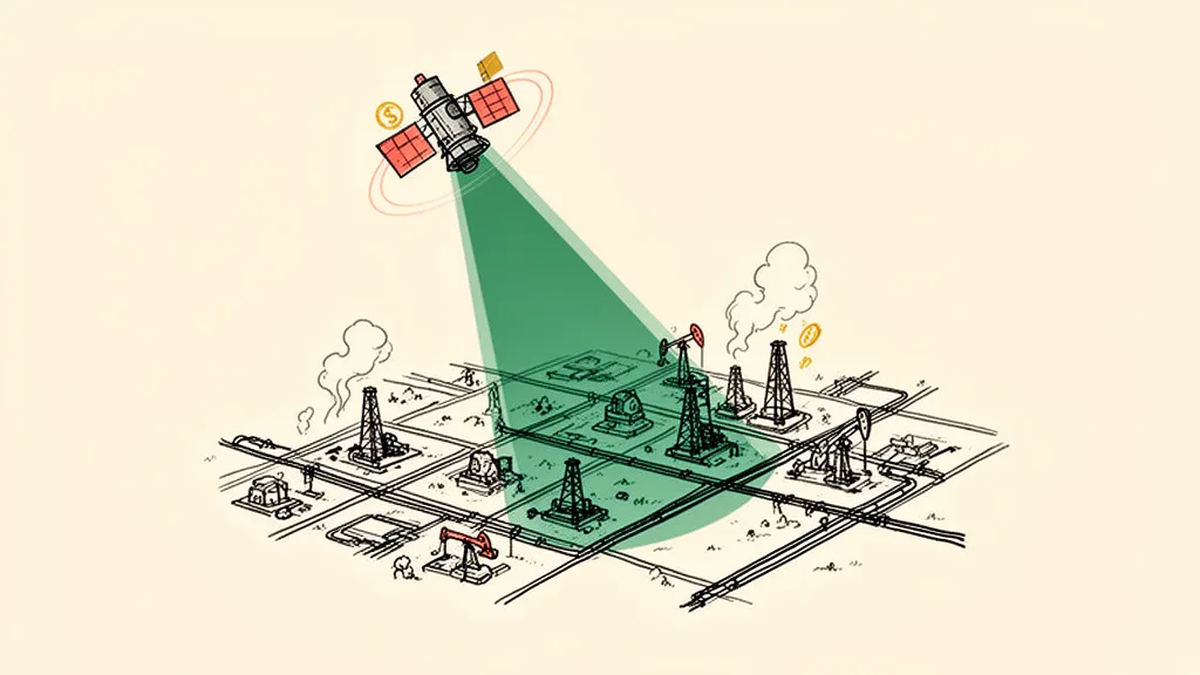
MethaneSAT launched in March 2024 on a SpaceX rocket, built around a Blue Canyon Technologies satellite bus and carrying infrared spectrometers developed with Harvard's engineering school and the Smithsonian Astrophysical Observatory, with support from the New Zealand Space Agency. Its job was narrow and unusual: measure methane over the world's oil and gas producing regions — not only obvious single leaks, but the diffuse total coming off an entire oilfield.
The point was never the hardware. It was that arguments about methane tend to stall on the question of whose emissions these actually are, and nobody had numbers precise enough to settle it. So EDF went and got the numbers, and published them free for companies, governments and campaigners to use. The satellite is gone; the science, the instruments and the advocacy built around it continue.
It started with thin eggshells on Long Island
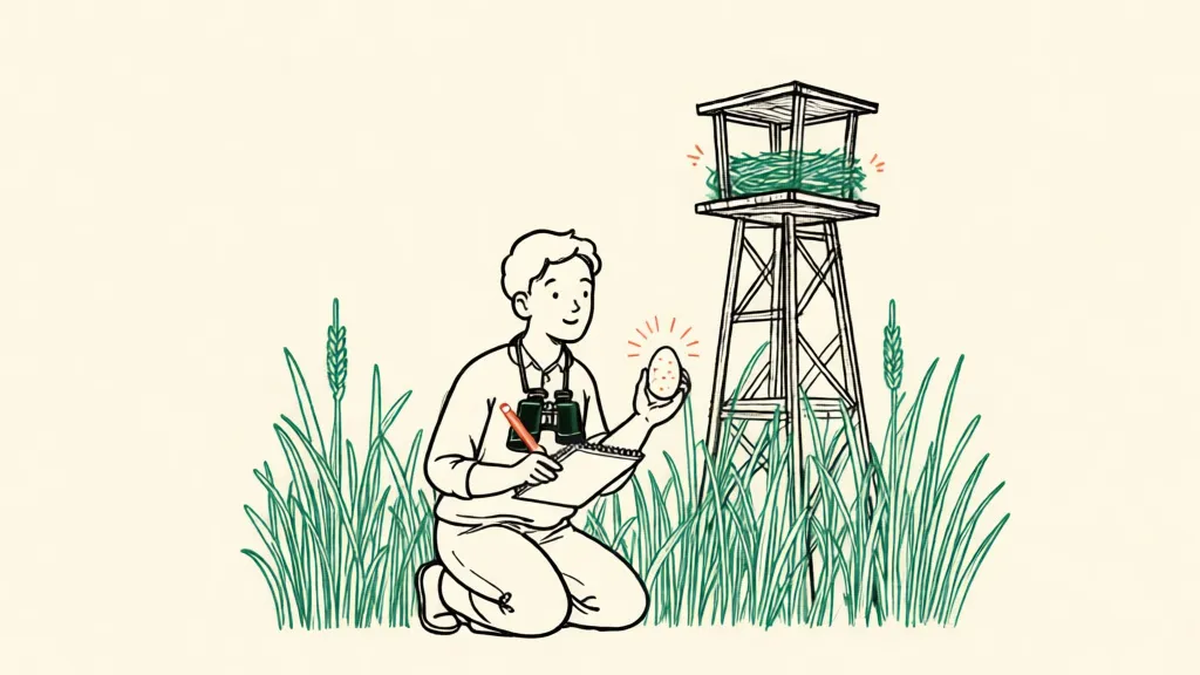
In the mid-1960s a handful of people on Long Island noticed that ospreys were vanishing. Research tied the collapse to DDT sprayed for mosquito control: the pesticide thinned eggshells until they broke under the weight of the parent bird. Among the group were Dennis Puleston, the naturalist who studied the ospreys and became the organization's first chairman, along with Art Cooley and Charles Wurster.
What they did next was, at the time, genuinely strange. They took the science to court, working with attorney Victor Yannacone against the local mosquito control operation. Pairing scientists with lawyers is unremarkable now; in 1967 it was close to unheard of. A local court ordered a ban in 1966, before the group even had a permanent name. New York State followed in 1970, on testimony from the Long Island case, and EDF played a major role in the nationwide ban of 1972. The ospreys came back. The bald eagle and the peregrine falcon eventually came off the endangered species list.
Then they hired economists
The second thing EDF is known for is stranger still for a green group. When acid rain reached the top of the political agenda in the late 1980s, EDF proposed a market: cap total sulfur dioxide from power plants, cut it in half, and let each plant decide how to get there. A plant that overshot could sell its unused allowances to one that hadn't. That design went into the 1990 Clean Air Act amendments.
Sulfur emissions then fell faster than forecast, at about a quarter of the projected cost. It is why the staff directory reads oddly for an environmental organization — economists sitting next to biologists and litigators, all of them looking for the version of a solution that people will actually adopt.
What roughly a thousand people work on now
EDF today counts around a thousand scientists, economists, policy specialists and lawyers working in more than thirty countries, backed by over 3.5 million members, supporters and activists. The work sorts roughly into three baskets: the energy transition, including methane and clean power; people and nature, covering food, fisheries, water and coastlines; and healthy communities, meaning air pollution and safer chemicals.
Its 2025 impact report describes a year spent defending U.S. methane rules and clean vehicle standards, pushing carbon pricing for international shipping, helping Indian farmers raise livestock productivity, working against illegal mining in the Amazon and building air pollution capacity in Brazil. Charity Navigator currently gives the organization four stars, with a score of 98% for fiscal 2024.
Where one person actually fits
The most direct way in for an individual is EDF Climate Corps, a summer fellowship that has been running for seventeen years. It places graduate students inside companies and public institutions to do specific, unglamorous work: mapping out how a climate commitment gets met, cutting energy use, buying renewable power, electrifying vehicle fleets, pulling suppliers along. More than 1,850 people have come through it, hosted by over 800 organizations across programs in the United States, China and India.
For everyone else the involvement is lighter. EDF runs an action network at actnow.edf.org where petitions on permitting, wetlands, chemical safety and plastics circulate, and it sends alerts to its member list when something is genuinely live.
If you want to back the work financially, do it through EDF's own channels — one-time or monthly giving at edf.org/donate, or a tribute or planned gift through their site. There is no intermediary worth adding.
An organization this size runs on institutional funding and salaried staff. A great deal of environmental work doesn't: the person who organizes the creek cleanup every spring, the neighbor who keeps the seed library going, the volunteer who counts birds each winter for no reason except that someone should. Pennygood was built for those people — a place where an individual doing good can receive small, steady monthly support from the community that benefits. If that sounds like you, or like someone you know, a page takes a few minutes to start at pennygood.me.