Community
Goodwill Industries: How a Boston Minister Turned Cast-Off Goods Into a Path to Work
For more than 120 years, Goodwill has paid for job training by selling what the rest of us give away. Here is how that loop actually works.
By The Pennygood team · Jul 2026 · 3 min read
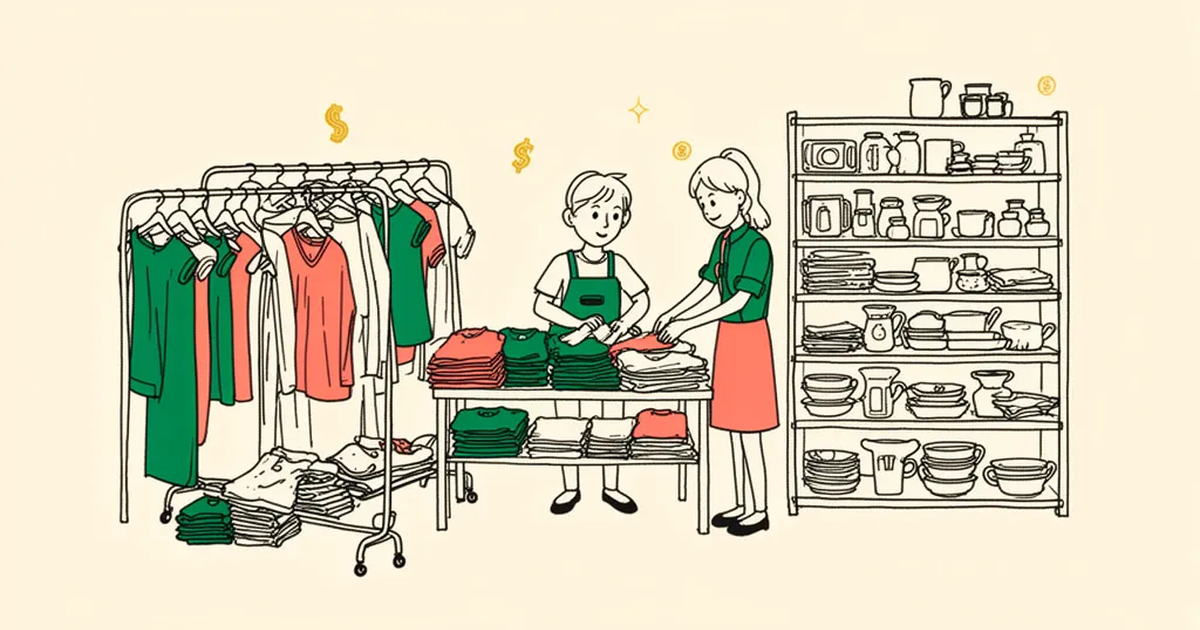
In 1902, a Methodist minister in Boston began collecting his wealthier neighbors' castoffs — worn coats, dented pots, outgrown shoes — and handed them not to the poor as gifts, but to people who were out of work, with a task attached: repair these, and sell them. That small experiment became Goodwill.
"A chance, not a charity"
The minister was the Reverend Edgar J. Helms, and the operation ran out of Morgan Memorial in Boston's South End. Helms and his congregation gathered used household goods and clothing from better-off parts of the city, then trained and paid people who were struggling to find work to mend and refurbish them. The repaired goods were resold or kept by the workers who fixed them.
Helms described what he had built as "a chance, not a charity," and the philosophy that grew from it — a hand up rather than a handout — still defines the organization. The name "Goodwill" was first used in 1915, and by 1920 there were fifteen locations.
The store is the engine
More than a century later, Goodwill still runs on the same loop Helms invented. People donate clothing and household goods; those items are resold through more than 3,400 stores across the United States and Canada and through online marketplaces; and the revenue pays for free job training and employment services. In 2024, Goodwill recovered the value of over 4.4 billion pounds of used goods — keeping them out of landfills and turning them into program funding at the same time.
What the racks pay for
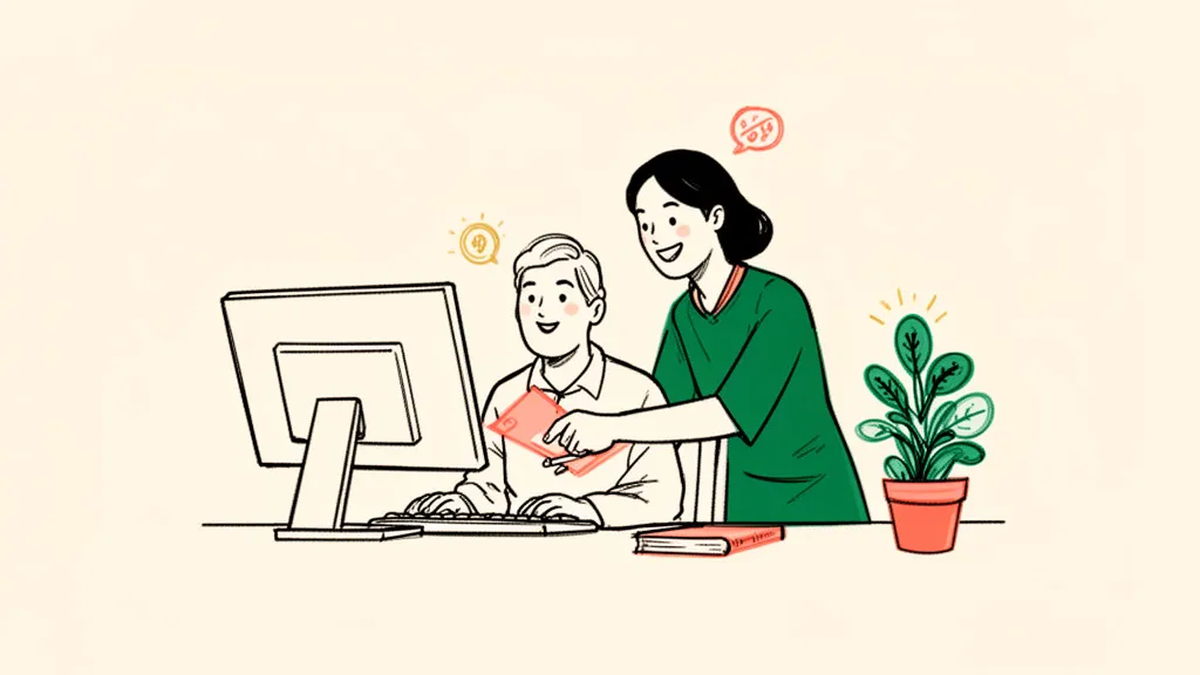
The point of all that sorting and reselling is the people it reaches. In 2024, more than 2.1 million people came to Goodwill for skills training, digital-literacy classes, resume help, and job placement. On an average day, its programs help 388 people find work. Those services are delivered by roughly 150 independent, community-run local Goodwill organizations, each shaped around the needs of its own region, with a presence that now reaches six countries: the United States, Canada, Brazil, Finland, Italy, and South Korea.
One name, many neighbors
Goodwill is far bigger than most shoppers realize — The Nonprofit Times ranked it second on its 2025 list of the country's largest charities. But it is deliberately decentralized. The Goodwill in your town is its own nonprofit, run by local leadership and answering to the community it serves, rather than a branch office taking orders from headquarters.
The most direct way to support the work is the loop itself: donate quality used items, shop the stores, or give to the Goodwill nearest you. You can find your local organization and its own donation channels through goodwill.org.
Goodwill grew from a single conviction — that work, not a handout, is what restores a person's dignity. You can see that same instinct in the individuals who quietly help others in every neighborhood: the person who coaches a laid-off friend through a job search, the volunteer who teaches a skill for free. Pennygood is a platform built so communities can back those individuals directly, with small monthly contributions from the people who value what they do. If that sounds like someone you know — or like you — a page starts at pennygood.me.