Community
The National Park Service Expected 300 Volunteers. It Got 900 in Six Months.
From an orange smock and a hopeful guess in 1970 to roughly 3.7 million hours a year: how National Park Service volunteers became the system's quiet workforce.
By The Pennygood team · Aug 2026 · 5 min read
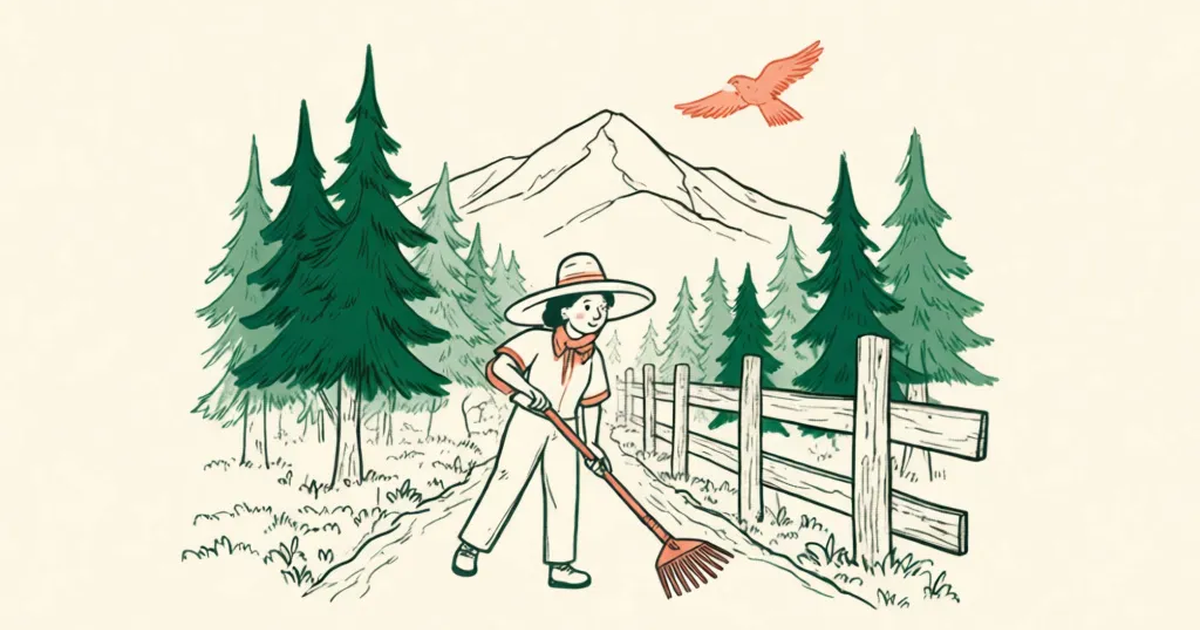
Before the National Park Service could open its ranks to volunteers, someone had to guess how many would come. The estimate for the first year was 300. About 900 people signed up in the first six months, and within two years more than 6,000 were working in the parks without pay.
The idea came from a director's wife
The Park Service's own account of its volunteer history starts somewhere uncomfortable. For decades its earliest unpaid workers were the wives of rangers, custodians and superintendents, who answered visitors' questions, kept records and covered desks with no title and no paycheck. When the agency hired a married man, it frequently got two people's labor for one salary.
Helen Hartzog, married to then-director George B. Hartzog Jr., is credited with turning that informal arrangement into a real program. She had noticed that people "really didn't want to retire from the Park Service" - they wanted a way to stay useful. Making it official took an act of Congress, because volunteers had to be able to serve without being counted as federal employees and without leaving the government exposed to liability claims. The authority arrived as the Volunteers in the Parks Act, which the Park Service dates to 1969 and which reached the books as Public Law 91-357. Hartzog announced the program in November 1970, and Volunteers-In-Parks - VIP for short - began that December.
An orange smock, and a list of things volunteers could not do
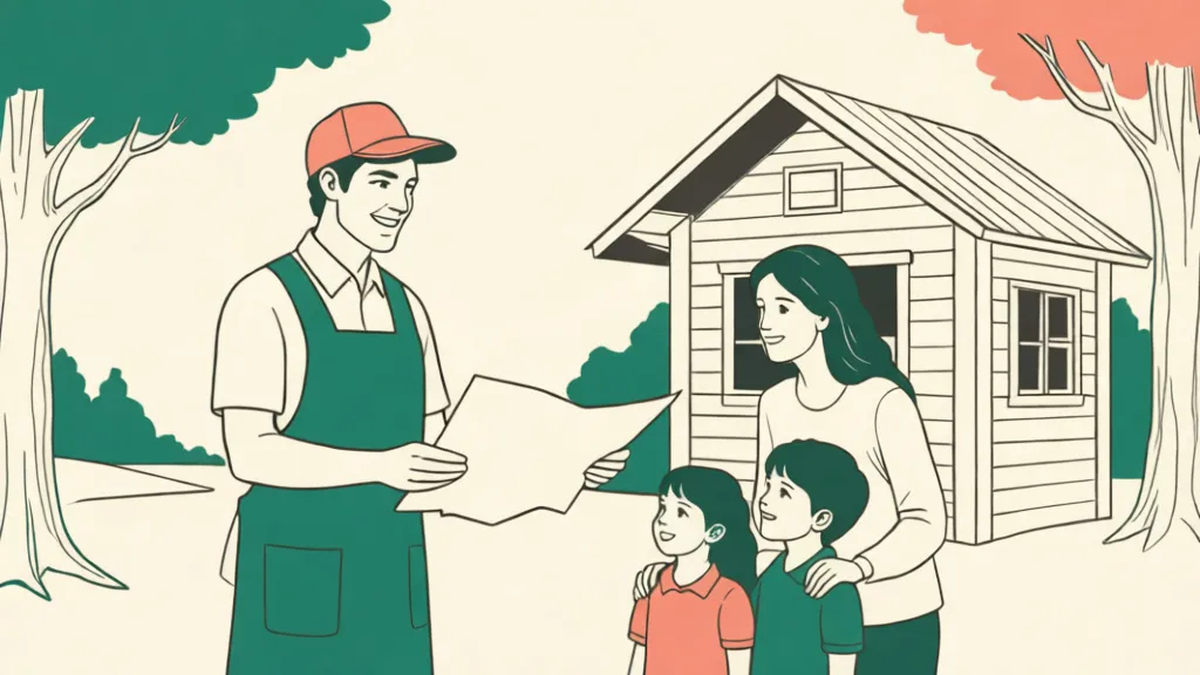
The early program had a look. In 1970 women volunteers were issued an orange pop-on smock. The first volunteer patch came in 1974, an ovoid design carrying the arrowhead on a green field. A year later came gold cardigan vests trimmed in loden green, cut waist-length for men and hip-length for women.
It also had limits, and most of them still hold. VIPs are unpaid and are not federal employees. They were kept away from hazardous duty, law enforcement and policy work, and they were never intended to stand in for paid staff. The hours accumulated regardless: between December 1970 and March 1973 volunteers gave 427,515 of them, and in fiscal year 1974 more than 5,000 VIPs working across 145 park areas contributed over 306,000 hours.
What 3.7 million hours looks like up close
In 2024 the Park Service counted well over 135,000 volunteers and roughly 3.7 million hours of service. More than 38,000 of those volunteers were under the age of 25.
The 2025 Excellence in Volunteerism Awards are where that number turns back into people. Larry Muir has logged more than 20,000 hours over 24 years at Fort Pulaski and Grand Teton. A fossil expedition team at Mammoth Cave has pulled more than 700 shark fossils, representing some 75 species, out of the rock. Chance Davis has worked as a locomotive fireman at Golden Spike since 2021; he is eighteen. David and Carol Meredith put in 832 hours between them installing 133 trail signs along 174 miles of the Washington-Rochambeau Revolutionary Route.
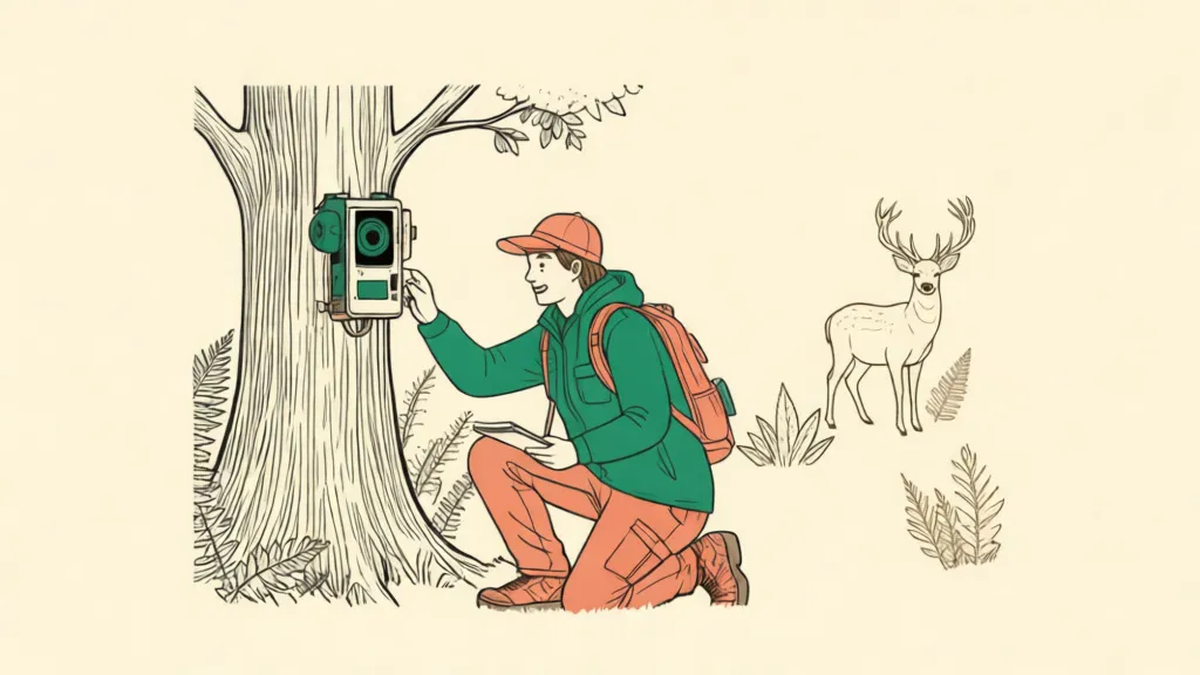
Plenty of it is patient, unglamorous data work. After the Woolsey Fire, more than 4,300 volunteers at Santa Monica Mountains have contributed over 12,500 hours since 2019, running wildlife cameras and classifying upwards of a million images.
And some of it happens nowhere near a park boundary. Trails & Rails volunteers ride Amtrak trains carrying trunks of maps and props, narrating the passing country over the train's PA system and taking questions in the lounge car. The team based at Klondike Gold Rush reached 55,830 passengers in 2024 on 6,553 volunteer hours.
How to get in, and how to give
Open positions are posted on Volunteer.gov, and individual parks also take direct inquiries through their volunteer coordinators. Most roles ask volunteers to be 18, though younger people can serve with signed parental permission, and the commitment can be a single day or a standing shift that runs for years. Anyone who reaches 250 service hours with participating federal agencies earns a Volunteer Pass, good for free entry to more than 2,000 federal recreation areas for the following twelve months.
Money works differently here, because the Park Service is a federal agency. Gifts move through more than 200 philanthropic partners - park friends groups and cooperating associations, listed in the Service's own directory of partners - and through the National Park Foundation at nationalparks.org, chartered by Congress in 1967 as the official charity of the national parks. If one particular park matters to you, its friends group is usually the most direct route.
The thing a volunteer-hours ledger can never show is the individual behind each entry: the retiree who drives out every Saturday, the teenager who learned to shovel coal on a steam locomotive. Pennygood was built for people like that - a way for a community to send small monthly support to individuals who quietly do good, rather than to institutions. The Park Service is not on Pennygood and has no connection to it. But if you are one of the people who keeps showing up somewhere, you can start a page at pennygood.me.