Community
Special Olympics: the backyard camp that became a global movement
A day camp for 34 children on a Maryland farm grew into Special Olympics — 4.2 million athletes, 30-plus sports and more than 53,000 competitions a year.
By The Pennygood team · Jul 2026 · 5 min read
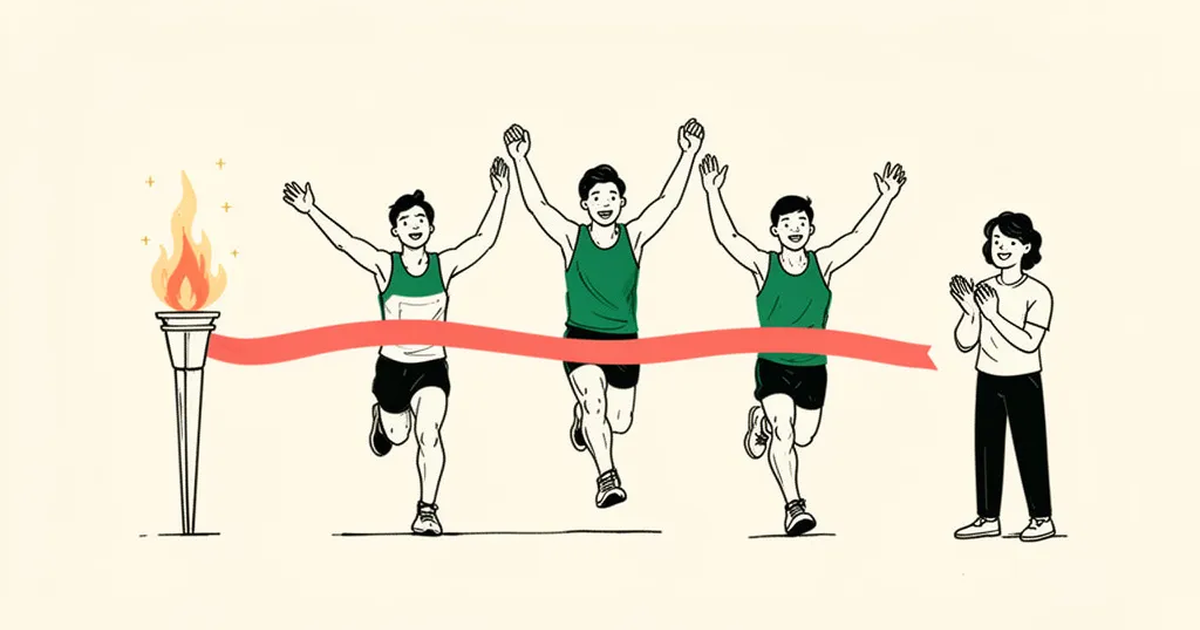
On 20 July 1968, about a thousand athletes with intellectual disabilities walked into Soldier Field in Chicago. A teenage runner carried a torch in and lit a 45-foot flame named for John F. Kennedy. The programme ran to more than 200 events — the 50-yard dash, the broad jump, the softball throw, floor hockey, water polo. They had come from 26 states and from Canada. That afternoon is the official start of Special Olympics. The real beginning was a lawn in Maryland a few years earlier.
It started with 34 kids and 26 counselors
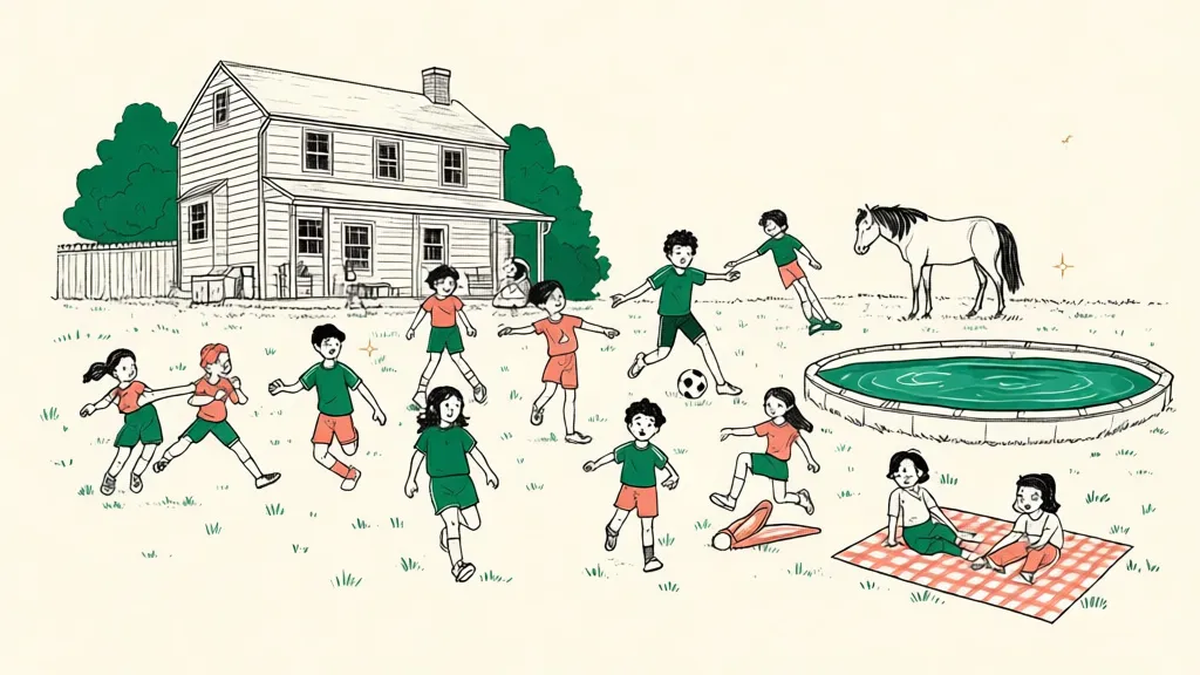
In the early 1960s, families around Washington, D.C. kept hitting the same wall: ordinary summer camps would not take children with intellectual disabilities, and schools had little to offer them either. Eunice Kennedy Shriver's answer was to open her own farm, Timberlawn, in the Bethesda–Rockville area, and run a day camp on it. The first Camp Shriver had 34 children and 26 counselors recruited out of local high schools and colleges — close to one adult per camper. They swam, played soccer and basketball, rode horses, did gymnastics and calisthenics. Children with and without disabilities were mixed together on purpose, Shriver's own son Tim among them. Over four years the camp grew to around 100 campers, and staff from parks departments and public schools started turning up to see what these kids could actually do.
The proposal came from a 23-year-old gym teacher
The jump from a backyard to a stadium came out of Chicago. Anne McGlone Burke — then 23, a physical education instructor for the Chicago Park District, and later a justice of the Illinois Supreme Court — had sat through a seminar by Dr. William Freeberg, whose research argued that real physical activity for children with disabilities improved far more than their fitness. She took the idea of a large public competition to Eunice Kennedy Shriver and the Joseph P. Kennedy Jr. Foundation, which funded it and pushed it well past Chicago. After the 1968 Games, Shriver and the foundation took over the running of it: it became Special Olympics, Inc., and the Games were set to return every two years.
Ages 2 to 99, in seven regions
In the figures Special Olympics publishes for 2024–2025, the movement counts more than 4.2 million athletes and Unified partners, some 777,000 volunteers and 366,000 coaches, organised across seven regions: Africa, Asia Pacific, East Asia, Europe Eurasia, Latin America, the Middle East/North Africa and North America. It runs over 30 Olympic-type sports and close to 54,000 competitions a year, for athletes from age 2 to 99 — the Young Athletes programme starts children as young as two, and there is no upper limit.
What has changed most since 1968 is who stands on the team. Under the Unified Sports model, people with and without intellectual disabilities train and compete on the same roster rather than in parallel leagues. The same idea drives Unified Champion Schools, a US school programme built on a three-part model aimed at the climate of an entire school rather than a single game; the latest figures count more than 20,000 Unified schools.
Why a sports organisation runs a health programme
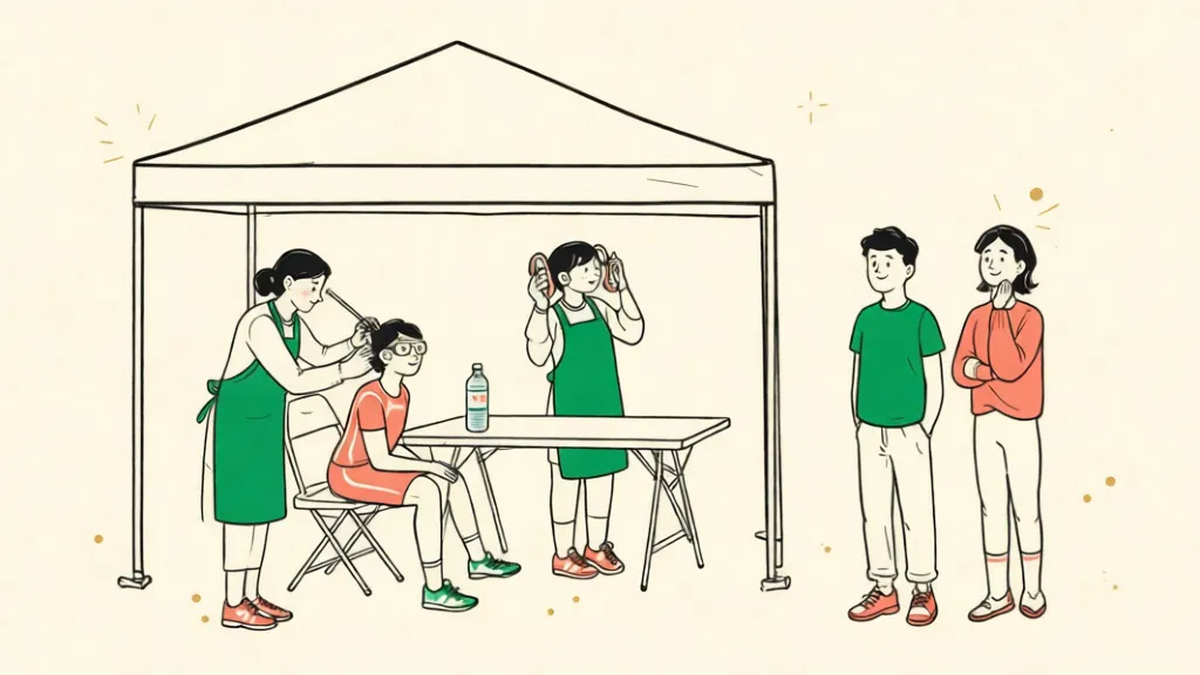
Healthy Athletes, launched in 1997, offers free health screenings and health education at competitions. That looks like an odd side business for a sports charity until you read the reason for it. By the organisation's own account, people with intellectual disabilities die on average 16 years earlier than the general population, face serious barriers to decent health care, and are often turned away from services despite higher risk. So athletes who came to race get looked at on the same field, for free — more than 72,000 screenings in the most recent published year.
Minneapolis, June 2026
The most recent large US gathering wrapped up a few weeks ago. The 2026 Special Olympics USA Games ran from 20 to 26 June in Minneapolis and drew 3,000 athletes, 1,500 coaches, 10,000 volunteers and roughly 75,000 spectators from all 50 states, across 16 sports. Cornhole and pickleball were contested at a USA Games for the first time. Team Massachusetts won gold in Unified 5-on-5 flag football in overtime, in a game carried on NFL Network, and the host delegation, Special Olympics Minnesota, finished on 112 medals. The closing ceremony was held at Huntington Bank Stadium on 26 June. The next World Games are scheduled for Santiago in October 2027.
Who actually keeps it running
Special Olympics is a registered 501(c)(3), and almost everything that happens on the ground is done by volunteers: coaches, certified officials, health professionals staffing screening tents, and the people who time heats and hand out water. Volunteering starts locally — the Program Finder at specialolympics.org/programs points you to the chapter nearest you, which is who you actually sign up with. Donations go through the organisation's own site at support.specialolympics.org. And if you have ever seen police officers running a torch through your town, that is the Law Enforcement Torch Run, the movement's largest grassroots fundraiser.
One number here is worth sitting with: 777,000 volunteers. Behind an organisation this size are hundreds of thousands of individual people who show up on a Saturday for nothing. Pennygood is built for that kind of person — a place where someone doing steady, unpaid good in their own community can receive small monthly support from the people who notice them. Special Olympics is not on Pennygood, and support for its work belongs in the channels above. But if this brought to mind someone near you whose quiet effort deserves a little backing, that is what pennygood.me is for.