Payouts
A Supporter Filed a Chargeback on My Donation: What It Costs and What to Do
A disputed $5 tip can cost you $20, and $15 even if you win. How to tell fraud from a real supporter, when to fight, and how to stop the next one.
By The Pennygood team · Sep 2026 · 4 min read
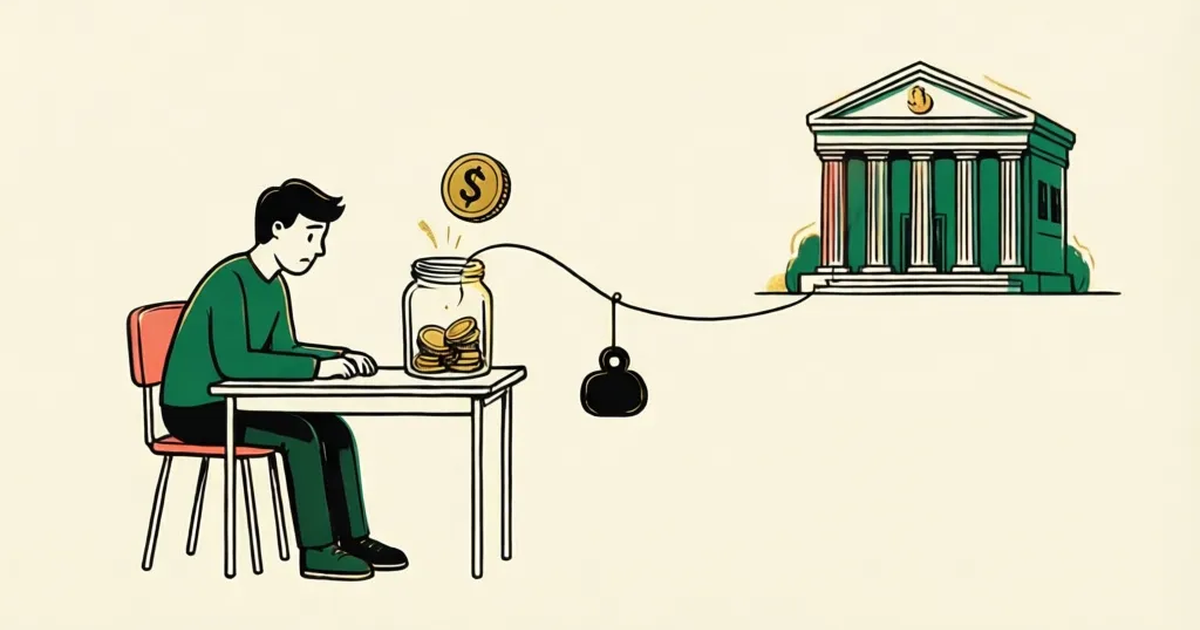
Twenty dollars. On a US Stripe account, that's what a disputed $5 tip costs you if you simply let it go: the $5 goes back to the card, and Stripe keeps a $15 dispute fee that it doesn't return, win or lose.
So if you just got the email saying a supporter filed a chargeback, here's the short answer. On a small donation, fighting almost never gets you back to zero. Work out whether it's fraud or a real supporter, answer anything that's still only an inquiry, and put most of your effort into making the next one less likely. Counter only when the amount is bigger than the fees and you have proof.
What does a chargeback actually cost me?
Stripe's US pricing lists a $15 fee for every dispute you receive, taken when the dispute opens. If you counter it, there's a second $15 "dispute countered" fee, which you get back only if you win. The disputed money is held the whole time, and the bank's decision can take up to three months. For that $5 tip:
- Accept the dispute: you're out $20.
- Counter and lose: you're out $35.
- Counter and win: the $5 and the second fee come back, but the first $15 doesn't. You're still down $15.
PayPal charges its own fees. Its US fee page (updated September 1, 2026) lists $20 for a chargeback on a card payment that didn't go through a PayPal account, and a $15 standard dispute fee ($30 at high volume) when the supporter paid with their PayPal account.
Who deals with it, me or the platform?
That depends on who the merchant is.
- Ko-fi: the money goes straight into your own PayPal or Stripe, so Ko-fi isn't the merchant and says it can't mediate. The dispute shows up in your PayPal or Stripe account, and you answer it there.
- Patreon: Patreon is the merchant and says it responds to chargebacks for creators, admitting that sometimes it wins and sometimes it doesn't. Its terms add that chargebacks can push your balance negative, fees may not be refunded, and a negative balance can be recovered from your future payments.
Is it fraud, or a supporter who changed their mind?
Those are two different problems. Stripe describes card testing: someone with stolen card numbers makes small payments to find out which cards still work, because small charges are less likely to be noticed. Later the real cardholder spots the charge and reports it as fraud. A tip page that takes any amount from anyone is an easy place to try this. A burst of small payments from names you don't know, with no messages, is the pattern to watch for.
The other kind is a real person. They forgot, regretted it, or didn't recognize the name on their statement. Stripe notes that inquiries often start because the cardholder doesn't recognize the charge description.
Should I fight it?
If it's card-testing fraud, no. The cardholder really didn't authorize the payment, so there's nothing to prove. Accept it, and don't write to the "supporter": whoever you'd reach isn't the person who owns the card.
If it's a real supporter and the amount is worth more than the fees, counter it with evidence: your page saying support is a voluntary gift, their message with the tip, and any posts they opened. Stripe gives you one chance to submit, and you can't add files afterward, so gather everything first.
If it's still an inquiry, answer it. American Express and Discover use this pre-dispute stage, and so do domestic card charges in Mexico. According to Stripe, ignoring an inquiry can turn it into a formal chargeback you'll probably lose, while a full refund or clear evidence closes it with no dispute fee.
How do I make the next one less likely?
- Refund quickly when someone asks. On Ko-fi a full refund takes a few clicks and works up to 180 days after the payment. Ko-fi tells supporters who hear nothing for about seven days that they can go to their bank. A refund costs you the tip; a dispute costs the tip plus the fee.
- Make the charge recognizable. Check one of your own receipts for the name a supporter sees on their statement, and put it on your page.
- Say plainly on your page that support is a voluntary gift. It won't stop a bank, but it's the first thing you'll need as evidence.
- Watch your dispute rate. Stripe says the industry treats dispute activity above 0.75% as excessive, and won disputes count too. On a small page, one dispute in 100 payments is already 1%, so report a card-testing burst to your processor before the disputes arrive.
Pennygood also takes payments through Stripe, so a supporter can dispute a Pennygood charge with their bank in exactly the same way. The same habits protect you there: refund fast when asked, and be clear that support is a gift.
One chargeback isn't a verdict on your work. Figure out which kind it is, only pay a fee you can win back, and make asking you for a refund easier than calling the bank.