Community
The Surfrider Foundation Has Won More Than 900 Fights for the Coast. The First Big One Was a Pulp Mill.
Six surfers started it in Malibu in 1984. Today the Surfrider Foundation runs 250-plus volunteer chapters, its own water labs, and a public tally of wins.
By The Pennygood team · Aug 2026 · 5 min read
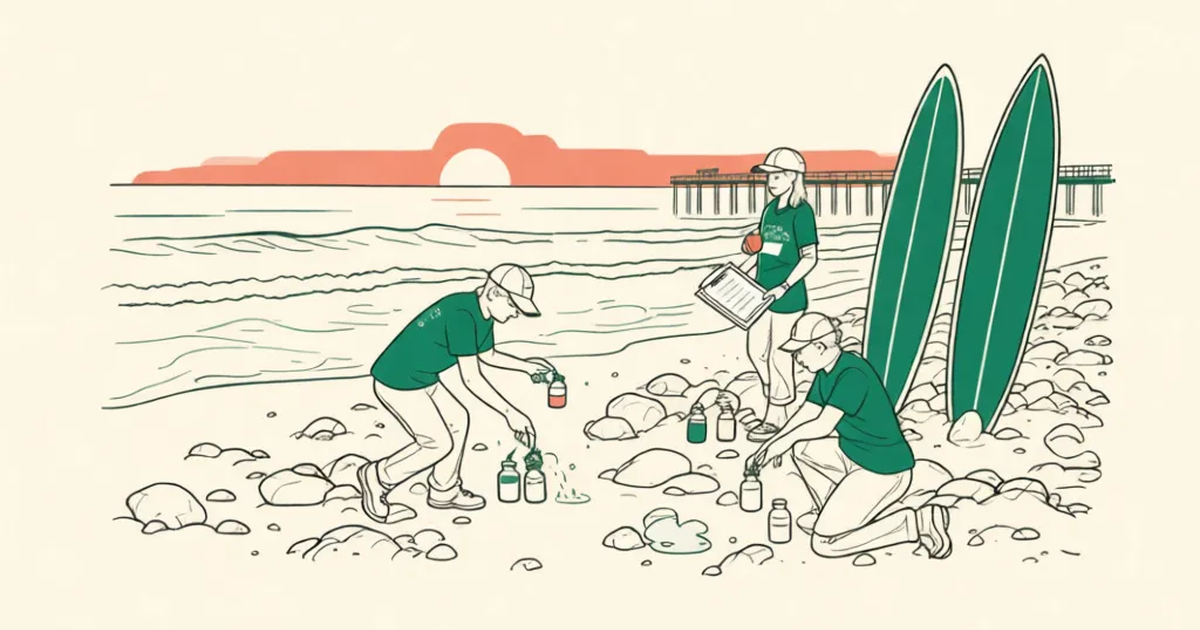
By the late 1980s, two pulp mills on the north spit of Humboldt Bay in California were releasing roughly 40 million gallons of untreated wastewater a day into the Pacific. Surfers who paddled out near the discharge came back with skin rashes and nausea. In 1989, a volunteer group of surfers barely five years old sued them.
The lawsuit that set the template
The case, brought under the Clean Water Act against mills run by Simpson Paper Company and Louisiana-Pacific, settled in 1991. The penalty won by the Surfrider Foundation alongside the U.S. Environmental Protection Agency was, at the time, among the largest the EPA had levied under that law and the largest in the western United States. The mills had to build wastewater treatment facilities, extend their ocean outfall pipes, and evaluate taking chlorine out of the bleaching process. The Louisiana-Pacific mill went on to become the first kraft pulp mill in the country to bleach entirely without chlorine, in 1993.
That case fixed a habit the organization has kept ever since: it does not only clean up after pollution, it goes after the permit, the ordinance, or the company behind it. The tools have widened over the years — city council testimony, state bills, federal comment periods, litigation when nothing else moves — but the posture is the same.
Six names on an incorporation form
Surfrider began in Malibu in 1984, out of alarm at how fast development was closing in on Surfrider Beach. Glenn Hening, Lance Carson, Tom Pratte, Dan Young, Chris Blakely and Steve Merrill founded it; the articles of incorporation were filed on August 22, 1984, with Hening signing as president. The name was borrowed from the Surfrider Inn in Santa Monica. The first win came the following year, when a federal court ruled in the group's favor over a proposed breakwater at Imperial Beach in San Diego.
The chapter network — the thing that actually made it national — came later. Chapters were formalized in 1992, starting in Orange County and San Diego. There were 28 by 1995 and 62 by 2005. Today, working from a headquarters in San Clemente, California, Surfrider counts more than 250 volunteer-led chapters and student clubs.
Sixty volunteer labs, 10,157 samples
The program the organization calls its most successful started in 1990: the Blue Water Task Force. Volunteers collect seawater and process it themselves in chapter-run labs, often hosted by a school, a university, or a local YMCA. In 2025 that network handled 10,157 samples from 620 sampling sites through 60 active labs — more sites and more tests than in any previous year. At 400 of those 620 sites, at least one sample came back above health standards.
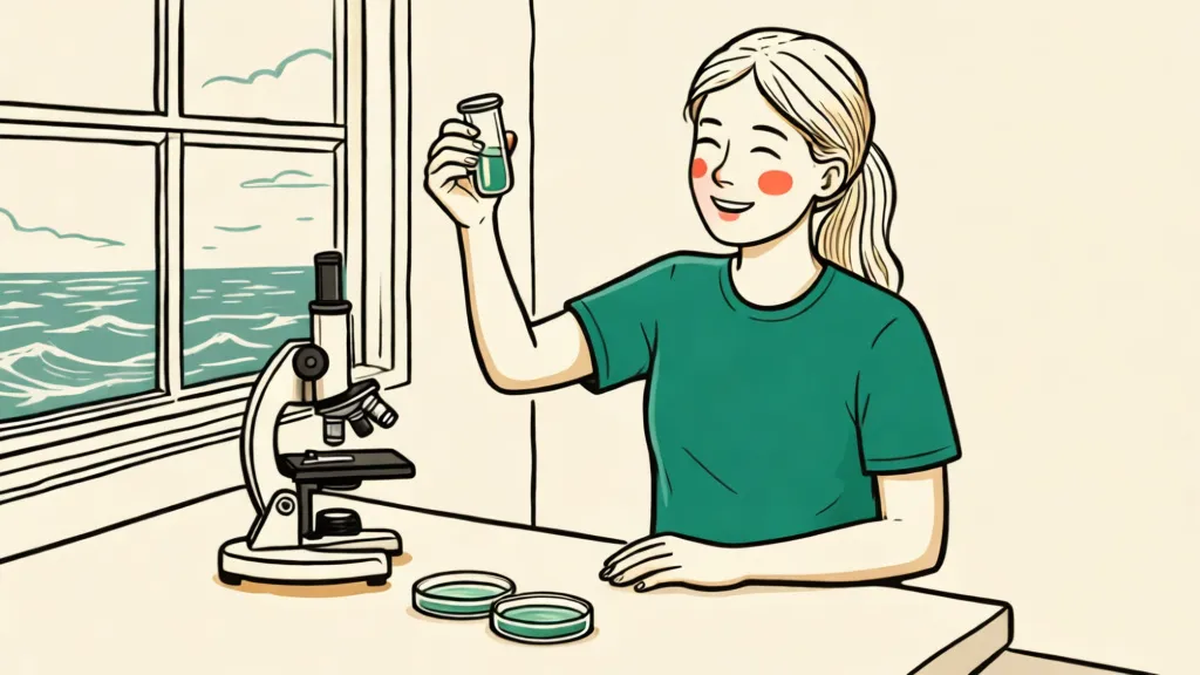
The design of the program is deliberately unglamorous: it fills gaps. Chapters test beaches that state and county agencies skip, and they monitor sources rather than just swimming areas — stormwater outfalls, creek mouths, kayak launches. The worst results in the 2025 report were Punaluʻu Beach Park on Oʻahu and the Moloaʻa Stream Mouth on Kauaʻi, where every sample exceeded standards, followed by a kayak launch in Miami Beach at 92% and Imperial Beach in San Diego at 89% — the same stretch of coast where the group won its first court ruling forty years ago.
What a year of winning looks like
Surfrider keeps a public count of its campaign victories: more than 900 since 2006. In 2025 it logged 45 — 14 on plastic pollution, 11 on clean water, 11 on coastal resilience, and 6 on beach access across California, Texas, Florida and Hawaiʻi. Named wins that year included Washington's Recycling Reform Act, a Connecticut ban on neonicotinoid pesticides, and cigarette-butt ordinances in Santa Cruz and Capitola, California.
The hands-on side ran in parallel. More than 23,000 volunteers pulled 120,633 pounds of trash and recycling off U.S. beaches and waterways across 831 cleanups. Roughly 2,000 more worked 76 restoration events, planting over 40,000 native plants across 22 acres and hauling out 85,000 pounds of invasive species. On the business side, 646 restaurants in 30 states and territories now carry the group's Ocean Friendly Restaurant designation.
If you want in
Chapters are the entry point, and they are run by volunteers who say openly that they want more than environmental scientists — graphic designers, event coordinators, accountants. The chapter locator on surfrider.org leads to a local group's calendar and contact address. To give money, the organization's own membership and donation pages are at surfrider.org/join and surfrider.org/give; it states that 84 cents of every dollar donated goes to programs and campaigns, 13 cents to raising future donations, and 3 cents to administration. Charity Navigator currently rates it four stars with a score of 97%.
Almost everything above was done by people nobody paid — someone dropping a sample jar at a lab bench before work, someone sitting through a three-hour council meeting to speak for two minutes. Pennygood was built for that kind of person: a place where a community can send small monthly support straight to an individual who keeps showing up. Surfrider is not part of it, and money meant for the organization belongs on the organization's own site. But if this makes you think of someone in your own town doing quiet, unpaid work, pennygood.me is where they can be backed.