Community
The Film That Needed a Phone Number: How The Trevor Project Began
In 1998 a short film about a gay 13-year-old was headed to HBO. Its makers went looking for a helpline to name at the end, found none, and built one.
By The Pennygood team · Jul 2026 · 5 min read

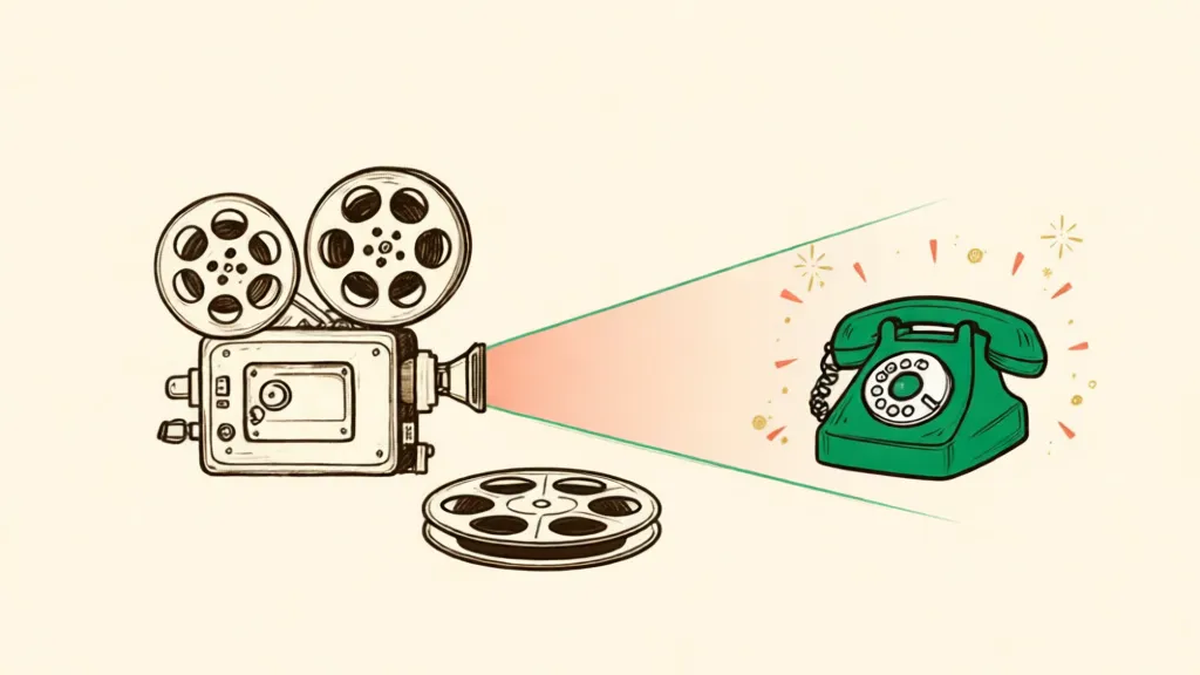
The 1994 short film Trevor is a dramedy about a thirteen-year-old who attempts suicide after word gets around at school that he's gay. It won an Oscar. Four years later, when HBO scheduled it for a national broadcast, the people who had made it started thinking about who might be watching it alone at home — and realized they had nowhere to tell those kids to call.
The three months before the broadcast
Trevor was directed by Peggy Rajski, written by Celeste Lecesne, and produced by Rajski with Randy Stone. At the 1995 Academy Awards it tied for best live-action short with Franz Kafka's It's a Wonderful Life. Heading into the HBO airing, the three went looking for a crisis line they could point viewers toward and discovered there wasn't one — no round-the-clock service anywhere in the country built for LGBTQ young people. Rajski has described the context since: in 1998 LGBTQ identities were not widely represented or understood in the larger culture, and the crisis lines that existed weren't designed with those callers in mind.
So they built it, with roughly three months to work in. They raised the money — seed funding came from the Colin Higgins Foundation and from HBO's license fee for the film — and rather than improvise the clinical side, they brought in an established expert in crisis intervention. The TrevorLifeline opened on March 25, 1998: the first nationwide, around-the-clock crisis and suicide prevention line for LGBTQ youth in the United States. More than 1,500 calls came in from across the country that first night.
Forty hours before you're allowed to answer
The organization is based in West Hollywood, California, and much of the work is done by volunteers: 2,373 of them alongside 781 paid staff, on 2023 figures. Becoming one is not a casual sign-up. Trevor asks volunteer crisis counselors for more than 40 hours of online training spread across eight weeks — about five hours a week — covering counseling skills, LGBTQ+ identity, and its support model, with scheduled role-plays you have to pass before you're cleared to take a real contact.
After that, the ask is one three-hour shift a week for a year. You need to be 18 or older, located in the US, and to have a private workspace and a secure connection, because the conversations are confidential. The greatest need right now is on the digital side — TrevorChat and TrevorText — though the general volunteer application is closed at the moment, having drawn more applicants than the organization can process.
What 16,000 young people said
Trevor also runs one of the larger recurring surveys of LGBTQ+ youth mental health in the country. The 2025 edition drew on more than 16,000 respondents aged 13 to 24. Thirty-six percent said they had seriously considered suicide in the past year and one in ten had attempted it; among transgender and nonbinary respondents, the first figure rose to 40%. Of those who wanted mental health care in the past year, 44% couldn't get it. Ninety percent said recent anti-LGBTQ+ laws and debates had caused them stress or anxiety.
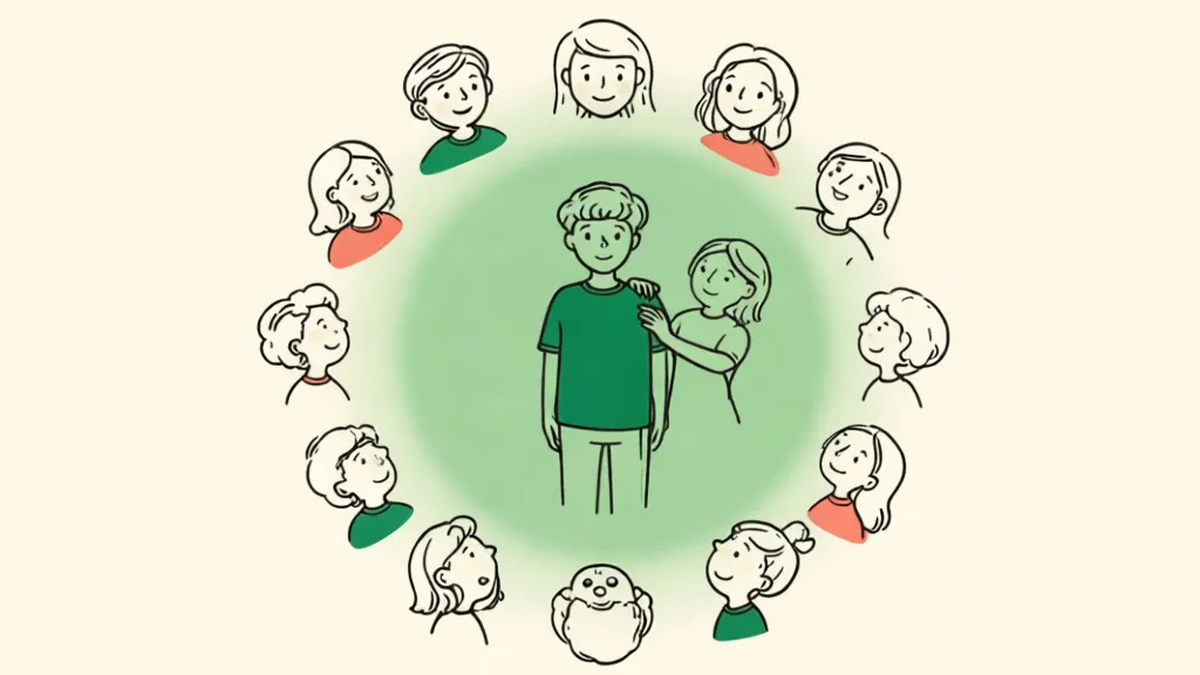
The most useful numbers in it are the ones about everybody else. Young people in very accepting communities attempted suicide at a rate of 6% — less than a third of the 18% reported by those in very unaccepting ones. The pattern repeats at home: transgender and nonbinary youth whose pronouns were respected by everyone in their household reported a 7% attempt rate, against 18% where no one did. The risk tracks how young people are treated, not who they are.
The federal option that disappeared
In September 2022 Trevor began taking contacts through the federal 988 Suicide & Crisis Lifeline. Anyone under 25 could press 3, or text PRIDE, and reach a counselor trained specifically to support LGBTQ+ young people. On July 17, 2025, the Substance Abuse and Mental Health Services Administration shut that specialized service down with about a month's notice. The press-3 option, the PRIDE keyword, and the dedicated chat all stopped. By Trevor's count, the program had served an estimated 1.5 million LGBTQ+ young people in under three years.
Something like it is now expected back: Congress directed $33 million toward LGBTQ+-specific crisis interventions for youth, and a relaunch is targeted for the end of 2026. Whether Trevor will run it is unsettled — eligibility is limited to crisis centers that are current, active members of the 988 network, and Trevor lost that status when the service it helped build was cancelled. Its CEO, Jaymes Black, who took the job in July 2024, has warned that this risks degrading the clinical standards for serving the young people most at risk.
Where to reach them, and how to help
Trevor's own crisis services were never part of that shutdown and still run: 1-866-488-7386 by phone, START texted to 678-678, and chat through thetrevorproject.org — free, confidential, and 24/7/365. Donations and fundraising go directly through their site, as do advocacy sign-ups and their public education sessions; Charity Navigator currently rates them four stars at 94%. If the volunteer application is closed when you look, the other doors are open.
It's worth sitting with the finding underneath all of this. What moved the numbers most in Trevor's own survey wasn't a program or a budget line — it was ordinary people nearby who treated a young person decently: a household, a school, a neighborhood. Most of them will never be attached to an organization, and nobody will ever fund them for it. Pennygood was built with those people in mind — a way for a community to put a little steady monthly support behind one individual who keeps showing up for others. If that's you, or someone you can picture right now, start at pennygood.me.