Supporting
How to Check Someone Is Real Before You Send Them Money
A ten-minute check that works, the warning signs that matter, and why money you sent yourself almost never comes back.
By The Pennygood team · Sep 2026 · 6 min read
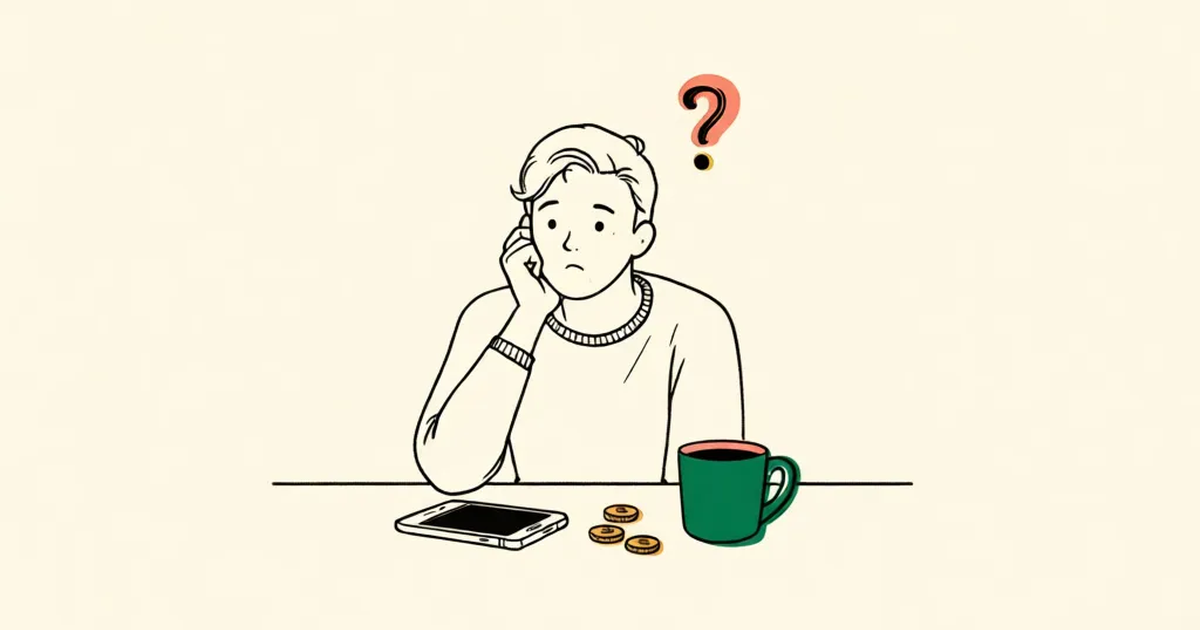
Americans reported losing $15.9 billion to fraud in 2025, and the FTC says the biggest losses came from bank payments and cryptocurrency. Both share a trait: once the money lands, nobody pulls it back for you. Federal law draws a hard line. If a scammer takes your credentials and moves your money, that's an unauthorized transfer and Regulation E can protect you. If you open the app and send it yourself, it isn't unauthorized. You decided.
You're probably here because you saw someone — a rescuer, a teacher, the guy who feeds people under the bridge — and you want to send a little every month, but you stopped because you can't tell if they're real. You won't get certainty. What you can get in ten minutes is the difference between a built profile and a person who exists. After that, the honest move isn't more research. It's picking an amount where being wrong doesn't cost you much.
The ten minutes that are actually worth it
You do all of it from your phone, and the other person never knows.
- Reverse image search the photo. Try Google Lens, or TinEye, which sorts by date so you can find the oldest appearance. If the photo has circulated for three years, it isn't from this week.
- Read the profile's history, not the post. Scroll all the way down. Is there ordinary life in there, tagged friends, neighbors commenting by name? Or emergency after emergency?
- Find the verifiable third party. If they mention a vet clinic or a school, look up that place's number yourself — from its own site, not the one you were given — and call.
- Check the name on the account. If your app shows the recipient's registered name before you confirm, compare it to the name the person uses. A mismatch proves nothing alone, but it forces you to ask why.
- Ask for something that costs minutes, not money. A photo taken today with a detail you choose: the dog next to a spoon, today's date handwritten on paper. For a real person, thirty seconds.
The recycled-photo trick is the oldest one and it still works. Félix Betancourt, head of the veterinary association in Jalisco, Mexico, described the pattern plainly: a photo of an injured dog comes back around every four to six months to run the same fraud, paired with the names of vets who don't have the animal in their care at all.
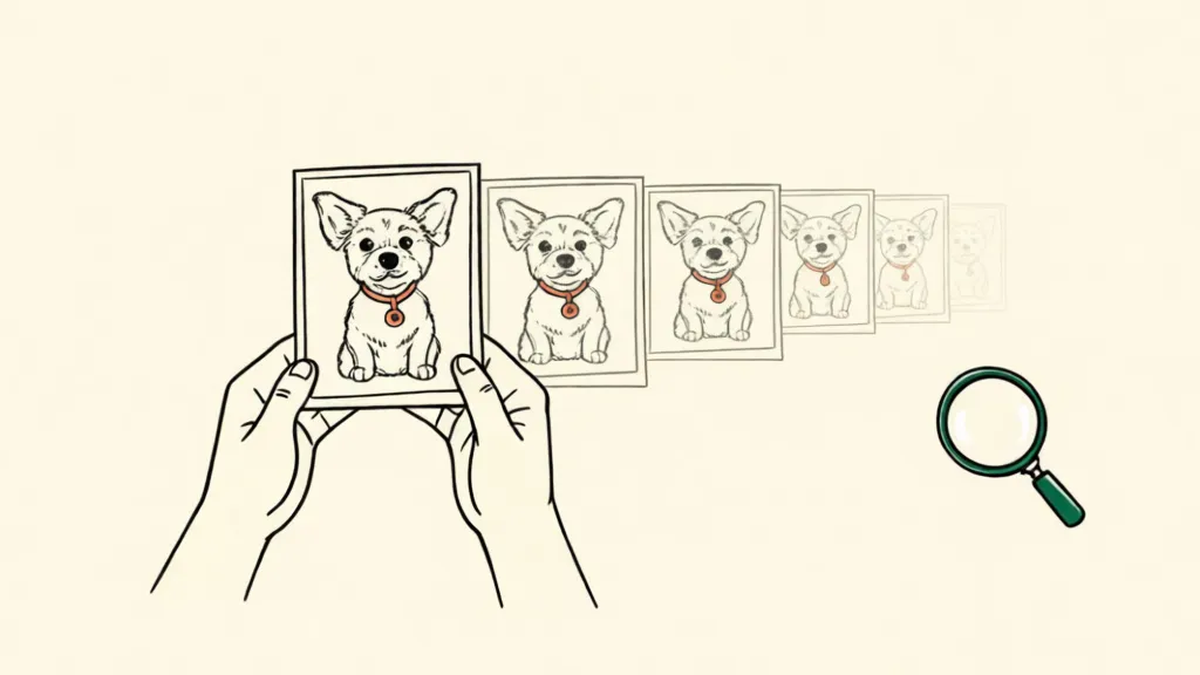
The scale is larger than it looks: SMACC, a coalition of 26 animal protection organizations, found more than 1,000 fake rescue videos in a six-week sweep, together pulling in over 572 million views. Some of those creators were soliciting donations.
What looks like a red flag but isn't
Almost every piece of advice written about this assumes you're checking an organization: confirm the nonprofit registration, look up the 501(c)(3), make sure they can issue a tax receipt. An individual has none of that — not because they're hiding something, but because they're a person. Treat missing paperwork as a red flag and the practical result is that you never support any individual. The useful question isn't whether they're registered. It's whether they exist, do what they say, and can be confirmed by someone else.
The signals that do matter
- Speed. A deadline that expires today. The urgency is rarely there because of the emergency; it's there so you don't have ten minutes to spare.
- They want you to pay something in order to give. Any fee or tax up front to release a donation is fraud, with no exceptions.
- One channel only, and it's irreversible. Cash, gift cards, crypto, or a single account with no alternative. People doing this for real usually have more than one way to receive.
- The story grows every time you ask. New expenses appear, the number climbs. A true story gets more boring, not less.
- They disappear afterward. Receipts are promised, never arrive, and the people who helped get blocked.
If you send it and it was a lie, do you get it back?
Usually not. A wire is final once it settles. Zelle moves in seconds, and payments you authorized have historically been treated as your decision. Gift cards and crypto are built to be one-way. The Regulation E distinction from the top of this article is the whole ballgame: it covers transfers made without your authorization, not ones a scammer talked you into making yourself. Your bank may attempt a recall as a courtesy, but by then the account is usually empty.
So how do you actually decide?
You stop chasing certainty and start sizing the risk. Pick an amount that would make you angry if it turned out to be a lie, but not a problem. That number is usually far lower than people assume.
And prefer small-and-recurring over large-and-once. This isn't only about your wallet: monthly support is a check that renews itself. Every month you see whether the person is still showing up, still findable — and if something stops adding up, you stop. A scam needs one big hit now. It doesn't survive five dollars a month for eight months while you watch.
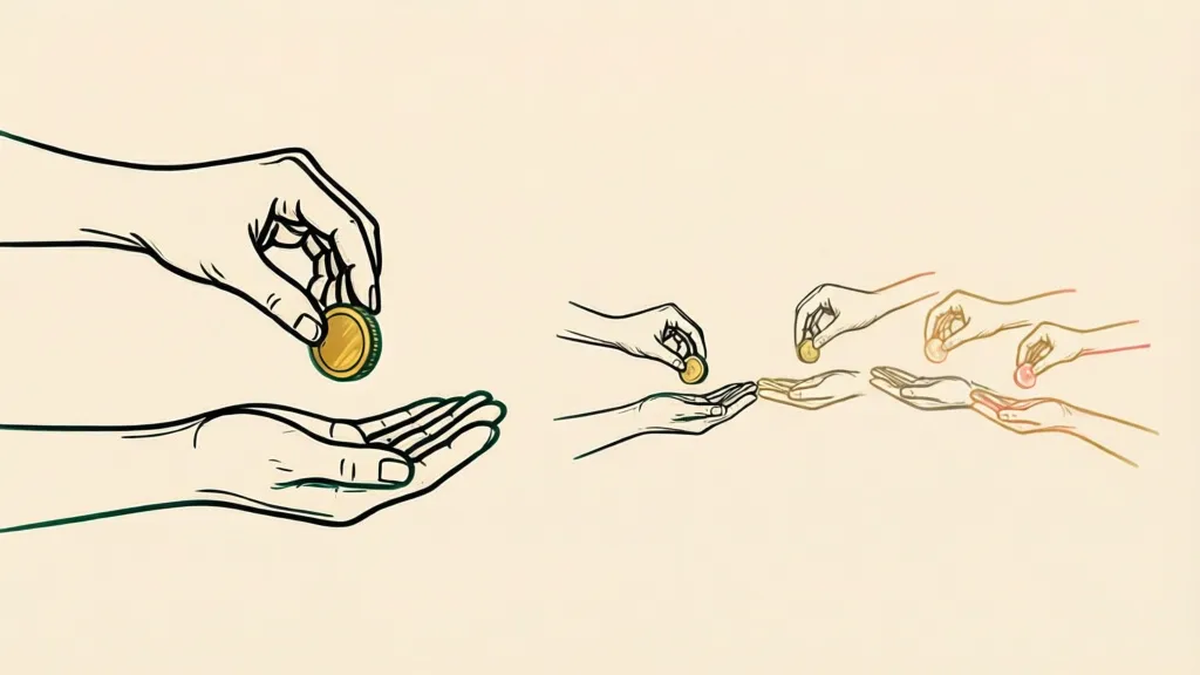
And if the doubt won't go, there's the option almost nobody mentions: don't give money, give the thing. Call the vet clinic yourself and pay the bill. Buy the bag of food and hand it over. You stop verifying a person and start verifying an expense, which is far easier. Slower, less convenient, and sometimes exactly right.
What no platform can do for you
A platform makes the money traceable, cancelling one click, and gives you someone to report to. What none can do is guarantee a person is who they claim to be. If a site promises verified users, ask what got verified: almost always an email or an ID, not what that person does on Tuesdays in their neighborhood.
Pennygood support starts at three dollars a month and cancels in one click, which is why it fits this problem: you risk little and can stop whenever. What we don't do is certify that each person does exactly what they say. We moderate obvious fraud and you can flag anything that feels wrong, but the trust is still yours to give.
The doubt doesn't fully go away, and it doesn't need to. Most people asking for help online are real. The way to live with that isn't to investigate until you're sure: it's to give amounts that can't hurt you, and stop punishing hundreds of real people for the few who aren't.